Guide to cleaning Victorian terraces around Tooting Common
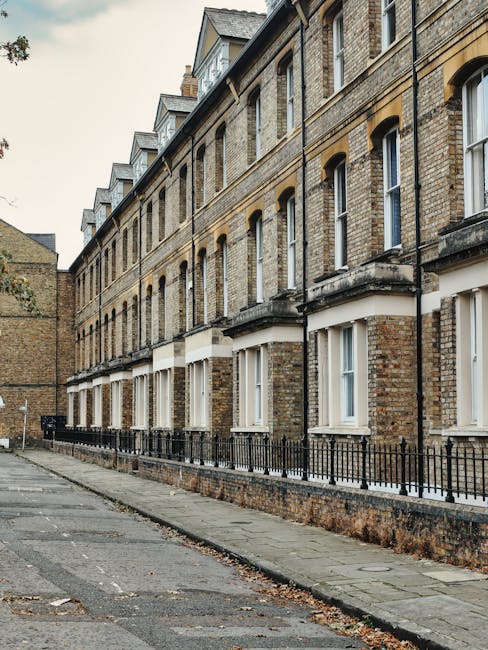
If you live in, rent, or manage a Victorian terrace near Tooting Common, cleaning is rarely just about making things look tidy. These homes collect soot in little corners, dust on ornate woodwork, grime on brickwork, and the odd bit of damp-related staining that appears after a wet week and a chilly night. This Guide to cleaning Victorian terraces around Tooting Common is here to make that job feel less overwhelming and a lot more practical.
The aim is simple: help you clean these characterful homes properly, without damaging original features or wasting time on the wrong methods. You will find clear steps, real-world tips, and a few caution points that matter more than people often expect. Truth be told, Victorian houses can be forgiving in some places and fussy in others. That's the charm, and the challenge.
If you want a tidy, healthier, better-kept terrace that still feels like a Victorian terrace rather than a scrubbed-out shell, you are in the right place.
Why cleaning Victorian terraces around Tooting Common matters
Victorian terraces have a very particular personality. Around Tooting Common, you see the same broad pattern again and again: original timber, sash windows, tiled entrances, decorative plaster, old brick, narrow hallways, and rooms that have had layers of life added to them over time. That history is lovely, but it also means dirt behaves differently here than it does in a modern flat.
Dust settles into mouldings. Grease can cling to old painted kitchen walls. Smoke residue sometimes lingers in fireplaces or on ceiling roses. And if you are close to the common itself, you may notice more outdoor soil being walked inside, especially in wet weather. Anyone with kids, pets, a pram, or a busy front step knows the routine. One muddy afternoon and suddenly the hallway needs attention again.
Cleaning matters because it protects what makes these homes valuable. Regular, careful cleaning helps preserve paint, timber, brass, tiles, and grout. It also makes it easier to spot early warning signs such as condensation, flaking paint, or small patches of mould. Those little clues are worth catching early. They save work later.
There is also a comfort factor. A clean Victorian terrace feels calmer and more breathable. The rooms seem brighter. The woodwork reads as character rather than clutter. And yes, the house just feels better to live in. That counts for a lot on a dark weekday evening when the kettle is on and the front room is finally quiet.
How cleaning Victorian terraces around Tooting Common works
Cleaning a Victorian terrace well is less about brute force and more about sequence. Start with the right order, the right products, and a gentle hand where materials are old or delicate. If you treat everything like a modern wipe-clean surface, you can do damage without meaning to. Not ideal.
The process usually begins with a full look around. Identify painted surfaces, original timber, stone, tile, brass, glass, and any signs of wear. Then work from top to bottom: dust ceilings and cornices first, then walls, woodwork, windows, surfaces, floors, and finally the details. It sounds obvious, but people often skip straight to the visible mess and end up cleaning the same area twice.
The best approach usually depends on the material. Painted skirting might tolerate a damp microfibre cloth. An original fireplace surround may need a dry dust first and a minimal cleaner after. Old sash windows often need careful dusting of tracks, rails, and cords before any wet cleaning begins. Kitchens and bathrooms are a separate story again, because moisture, grease, and limescale tend to build up faster there.
In practice, the work is a mix of routine upkeep and deeper attention. Weekly cleaning keeps the place manageable. Periodic deep cleaning handles the bits you do not see every day: behind radiators, under large furniture, around banisters, high ledges, and inside forgotten corners. Those are the spots where Victorian houses quietly collect history, and dust, at the same time.
If you are hiring help, this is where good judgement shows. A cleaner experienced with period homes will usually understand that original features need a lighter touch, not a stronger chemical. That difference matters more than people think.
Key benefits and practical advantages
There are several very practical reasons to keep on top of cleaning in a Victorian terrace, beyond the obvious "it looks nicer" point.
- Preservation of original features: Gentle cleaning helps protect woodwork, tiles, plaster, brass fittings, and old glazing from unnecessary wear.
- Better indoor air feel: Dust and stale residue can make older homes feel heavier. A good clean usually freshens the space immediately.
- Early problem detection: Clean surfaces make damp spots, cracks, leaks, and mould easier to see before they become a larger issue.
- Improved day-to-day comfort: A tidy hallway, clean stairs, and clear surfaces make busy family life easier. Simple as that.
- More efficient maintenance: When grime is removed regularly, decorating, repairs, and touch-ups tend to go more smoothly.
- Better presentation: If you are selling, letting, or welcoming guests, the home feels cared for rather than merely lived in.
One thing people often underestimate is how much visual "noise" old dust creates in a period property. A bit of soot on a white ceiling, a line of dirt on painted bannisters, or a dull film on a sash window can make a whole room feel tired. Clear that away, and the room often looks bigger too. Funny how that works.
Who this is for and when it makes sense
This guide is for homeowners, tenants, landlords, and letting agents dealing with Victorian terraces around Tooting Common. It is also useful for anyone moving into an older property and wondering why the surfaces seem to collect grime faster than expected.
It makes sense if you are:
- preparing a home for sale or new tenants
- trying to stay on top of family life in a busy terrace
- dealing with dust, soot, or construction residue after decorating
- looking after a rental property between tenancies
- trying to protect original period features while keeping the house hygienic
- planning a one-off deep clean before spring, winter, or a major event
It may also be especially helpful after building work, because Victorian homes can trap fine dust in surprising places. You know the feeling: everything looks fine at first, and then three days later you notice a grey film on the skirting board, a bit of grit on the windowsill, and dust on a picture rail you swear you cleaned yesterday. Annoying, but normal.
If your property has a mix of old and new materials, cleaning becomes more of a balancing act. The Victorian shell may need gentle care, while a newer kitchen extension can handle more robust products. The trick is knowing which is which.
Step-by-step guidance
Here is a straightforward way to clean a Victorian terrace without making life harder for yourself.
1. Start with a full room-by-room survey
Walk through each room and note the surfaces that need special care. Look at paint condition, stained areas, dusty ledges, window frames, fireplace surrounds, tile grout, and any signs of moisture. This first pass helps you avoid random cleaning and gives the job some structure.
2. Open windows where weather allows
Fresh air helps remove odours, dry out damp cleaning residue, and make the house feel less stuffy. Around Tooting Common, you may get a cool breeze rolling through the rooms, especially in the morning. That can be lovely, but do keep an eye on temperature and humidity if you are cleaning timber or painted surfaces.
3. Dust high to low
Begin with ceilings, light fittings, coving, and picture rails. Then move to walls, shelves, mantels, skirting boards, and floors. A soft duster or vacuum with a brush attachment usually works better than a dry cloth that just pushes dust around.
4. Treat woodwork gently
Victorian skirting, architraves, doors, and banisters often have old paint layers or delicate finishes. Use a barely damp cloth and a mild cleaner if needed. Avoid soaking joints, corners, or cracked paint. Water where it should not be can lead to swelling or peeling later on.
5. Tackle the hallway and stairs carefully
These are usually the hardest-working areas in the house. Dirt from shoes, bags, bikes, and prams tends to gather here first. Vacuum steps edge to edge, clean handrails, and wipe down the newel posts. If there is an original tile floor at the entrance, use a pH-appropriate cleaner and avoid anything too acidic.
6. Clean kitchens and bathrooms as separate zones
Older terraces often have a slightly awkward mix of original structure and modern wet rooms. In kitchens, remove grease in layers rather than scrubbing aggressively. In bathrooms, deal with limescale, soap residue, and grout build-up, but keep abrasive pads away from delicate surfaces. Strong does not always mean better.
7. Refresh windows, sills, and tracks
Victorian sash windows gather dust in the runners and frames. Clean the glass, then the sills, then the edges and moving parts. Be patient with paintwork. If a window has been sticking or has visible decay, be careful not to force it. That's a repair issue, not a cleaning one.
8. Finish with floors
Whether you have timber, tile, carpet, or a mix, floors should be the final step. Vacuum thoroughly first. Then mop, polish, or shampoo according to material. Do not over-wet old timber or unsealed edges. A slightly damp finish is usually enough.
9. Inspect and note repairs
Once everything is clean, take a second look. You will spot things more clearly now: peeling paint, draughty gaps, loose fittings, or signs of moisture. Cleaning often reveals what the house has been trying to tell you all along. A bit dramatic, perhaps, but true.
Expert tips for better results
Small decisions make a big difference in period properties. Here are a few habits that usually pay off.
- Test first: Try a product in an inconspicuous place before using it on original paint, timber, or tiles.
- Use less moisture than you think: Victorian materials often dislike being saturated. A well-wrung cloth usually beats a dripping one.
- Work in sections: One staircase, one room, one landing at a time. It keeps the job manageable and stops dust from spreading endlessly.
- Choose soft tools: Microfibre cloths, vacuum brush attachments, and soft dusters are your friends.
- Protect historic details: If a feature looks fragile, assume it is fragile until proven otherwise.
- Prioritise the touch points: Handles, rails, switches, and banisters make the biggest difference to how a home feels day to day.
- Don't rush the drying stage: Damp corners around sash windows, bathrooms, and older joins need time to dry properly.
A tiny practical truth: if your cloth is already dirty, it is not cleaning much. Swap it out sooner than you think. There, that's the glamorous side of domestic maintenance.
Another useful habit is to clean at the time of day when light is best. Morning light across a hallway window can reveal a surprising amount of dust on mouldings and glass. Late afternoon can be useful too, especially if you are checking reflections on polished surfaces. The house tells on itself in daylight.
Common mistakes to avoid
Many cleaning problems in Victorian terraces come from trying to treat everything the same way. That usually backfires.
- Using harsh chemicals on original finishes: Strong products can strip paint, dull brass, or damage old varnish.
- Over-wetting timber: This is a classic mistake. Water can seep into joints and cause swelling or long-term damage.
- Ignoring hidden build-up: Dust behind radiators, inside window tracks, and along picture rails tends to build up quietly.
- Scrubbing too hard: Pressure can damage aged plaster, soft masonry, or worn paint.
- Cleaning from the bottom up: This just moves dirt around and doubles the work.
- Forgetting ventilation: Older homes need breathable care, especially where condensation is an issue.
- Missing the signs of damp: If a stain keeps returning, cleaning alone is not the answer.
One subtle mistake is over-polishing. A lot of people want timber to shine, but a heavy polish can make floors or bannisters slippery and can attract more dust. A clean satin look is often better in a busy family home. Not everything needs to gleam like a showroom.
Tools, resources and recommendations
You do not need a mountain of kit to clean a Victorian terrace well. In most cases, a modest, reliable set of tools works better than a cupboard full of gimmicks.
| Tool or product | Best use | Why it helps |
|---|---|---|
| Microfibre cloths | General dusting and wiping | Good for lifting dust without scratching delicate surfaces |
| Vacuum with brush attachment | Skirting boards, upholstery, shelves, corners | Reaches dust in mouldings and trims more effectively than a dry cloth |
| Soft duster | High ledges, picture rails, light fittings | Gentle on old plaster and decorative details |
| Mild all-purpose cleaner | Painted walls and washable surfaces | Useful for everyday grime without being overly aggressive |
| Non-abrasive sponge | Kitchen residue and bathroom residue | Helps remove buildup without scratching |
| Bucket and wrung-out mop | Floors and tiled areas | Lets you control moisture carefully |
| Brush and dustpan | Stairs and tight corners | Helpful in narrow hallways where a larger tool is awkward |
For more involved jobs, people sometimes bring in professional help for deep cleans, end-of-tenancy cleans, or post-renovation work. That can be a sensible choice if you are short on time, dealing with a lot of dust, or trying to preserve original finishes. If you are looking for broader household support, you may also find related services such as domestic cleaning, end of tenancy cleaning, or carpet cleaning useful depending on the state of the property.
Some jobs are also worth spacing out. For instance, deep-cleaning a whole Victorian terrace in one go can be tiring and a bit chaotic. Breaking it into hallway day, upstairs day, kitchen day and floors day tends to be more realistic. Less glamorous, but far more doable.
Law, compliance, standards and best practice
For most everyday household cleaning, there is no special legal hurdle. Still, there are a few best-practice points worth respecting, especially in older homes. If you are a landlord, managing agent, or anyone responsible for a property's condition, you should be mindful of general safety duties, ventilation, and maintaining the home in a decent state.
If a terrace is occupied, cleaning should be carried out with care around electrics, stairways, and anything that could become slippery. In shared or rented homes, avoiding trip hazards and keeping floors dry matters more than people sometimes realise. A wet staircase in a narrow hallway is asking for trouble.
It is also wise to distinguish between cleaning and repair. If you uncover damp, decay, unsafe electrics, loose plaster, or crumbling masonry, cleaning does not solve that. It simply reveals it. At that point, the sensible move is to arrange the right trade professional rather than push ahead with stronger products.
For older Victorian properties, best practice usually means:
- using the least aggressive method that still gets the job done
- testing products before widespread use
- keeping ventilation moving where possible
- avoiding excessive moisture on timber and plaster
- treating signs of damage as maintenance issues, not just cleaning problems
That approach is plain common sense, really. But common sense, let's face it, is often the first thing to go when a surface looks very dirty and you want it fixed right now.
Options, methods and comparison table
There is more than one way to clean a Victorian terrace, and the right choice depends on the size of the property, how dirty it is, and how much original fabric you want to protect.
| Method | Best for | Pros | Limitations |
|---|---|---|---|
| Routine DIY cleaning | Weekly upkeep and light grime | Low cost, flexible, easy to maintain | Time-consuming for larger houses, easy to miss hidden dirt |
| Focused deep clean | Before guests, moving house, seasonal refresh | More thorough, tackles neglected areas | Can be tiring and needs a clear plan |
| Professional domestic clean | Busy households or one-off reset | Saves time, brings experience with difficult areas | Requires trust and clear instructions for period features |
| Post-renovation clean | After decorating or building work | Removes fine dust and residue more effectively | Often more intensive, may need repeat visits |
If you are deciding between DIY and professional cleaning, think about the condition of the home rather than just the calendar. A well-kept terrace might only need a careful refresh. A property that has been empty, renovated, or neglected for a while may need a far more detailed approach. That's where a sensible plan saves time.
Case study or real-world example
Here's a realistic scenario. A family moved into a Victorian terrace not far from Tooting Common after several years of different tenants. On the surface, the house looked acceptable. But once they started opening windows, wiping down skirting, and moving furniture, they found dust on the picture rails, grime around the hallway tiles, and a film on the sash window panes that dulled the afternoon light.
They began with the hallway, then the front room, then the stairs and landing. The biggest difference came from the least dramatic work: vacuuming the trims, cleaning the bannister properly, and washing the entrance tiles with the right cleaner rather than an all-purpose spray that barely shifted the dirt. After that, the rooms felt lighter. Less stuffy. More like home.
The useful lesson? In a Victorian terrace, the visible grime is often only part of the story. The cleaner the hidden edges, the better the whole place feels. And once the house is clean, maintaining it becomes much easier. One good reset can change the rhythm of the whole week.
Practical checklist
Use this quick checklist before, during, or after cleaning a Victorian terrace.
- Check which surfaces are original and need extra care
- Open windows where safe and weather-appropriate
- Dust from top to bottom
- Use soft tools on paint, wood, plaster, and sash windows
- Keep moisture low on timber and aged finishes
- Clean hallways, stairs, and banisters thoroughly
- Separate kitchen and bathroom cleaning from general room cleaning
- Vacuum behind furniture, radiators, and under stairs
- Inspect for damp, flaking paint, or other maintenance issues
- Finish by checking floors, handles, switches, and touch points
Expert summary: the safest way to clean a Victorian terrace is usually the gentlest way that still works. Go slowly, protect original features, and clean in a logical order. That combination gets better results than rushing with strong products and hoping for the best.
Conclusion
Cleaning Victorian terraces around Tooting Common is really about respect: respect for the age of the house, for the materials that make it special, and for the way real life settles into every corner. These homes do not need punishing treatment. They need steady care, sensible products, and a bit of attention in the places most people overlook.
If you approach the work calmly and methodically, the results are worth it. The hallway brightens. The rooms breathe better. The original details stand out again instead of disappearing under dust and dullness. And yes, the house feels more like itself. That is the nice part.
If your terrace has become a bit much to tackle on your own, or you simply want the job done properly without risking the old features, getting help can make all the difference.
Get a free quote today and see how much you can save.
Frequently Asked Questions
How often should a Victorian terrace be cleaned properly?
For most homes, light cleaning works best on a weekly basis, with deeper attention every few weeks or seasonally. High-traffic areas like hallways and stairs often need more frequent care.
What is the safest way to clean original Victorian woodwork?
Use a soft cloth, mild cleaner if needed, and very little water. Avoid soaking joints, using abrasive pads, or applying harsh chemicals that can damage the finish.
Can I use steam cleaning on period features?
Not usually on delicate wood, painted trim, or older plaster. Steam can be too aggressive for some surfaces and may force moisture where it should not go.
How do I clean sash windows without damaging them?
Dust first, then wipe the glass and frames gently with a lightly damp cloth. Be careful around cords, paintwork, and any areas that already look brittle or stuck.
What should I do about soot marks near a fireplace?
Start with dry dusting and a suitable mild cleaner. If the marks are persistent or the surface is fragile, it may be better to seek specialist advice rather than scrub harder.
Is professional cleaning worth it for a Victorian terrace?
It often is, especially after renovation, before a move, or when original features need careful handling. A good professional cleaner can save time and reduce the risk of accidental damage.
How do I stop dust building up so quickly in an older house?
Regular vacuuming, cleaning high ledges, and keeping windows and vents managed sensibly can help. Older homes naturally collect dust, so the goal is control rather than perfection.
Should I worry about damp when cleaning a Victorian home?
Yes, if you notice recurring stains, musty smells, peeling paint, or cold patches. Cleaning will not fix damp, but it can reveal where further investigation is needed.
What cleaning products are best for Victorian floors?
It depends on the floor. Sealed timber, original tile, and modern laminate all need different products. A gentle cleaner and low moisture are usually safer than anything strong or overly wet.
Can tenants be expected to deep clean a Victorian terrace?
Tenancy agreements vary, but in general tenants are expected to leave the property in a reasonably clean condition. For a larger period home, a deeper clean is often sensible before moving out.
What areas are most often missed during cleaning?
Picture rails, top edges of doors, behind radiators, stair spindles, window tracks, and the backs of skirting boards are common misses. Those are the places where dust quietly settles.
What is the biggest mistake people make with old houses?
Usually using too much water or too-strong a cleaner. Victorian materials often need patience more than force, and that is easy to forget when you are staring at stubborn grime.
At the end of the day, a well-cared-for terrace near Tooting Common should feel lived in, not worn down. Keep it clean, keep it gentle, and it will give you a great deal back.