Domestic Cleaning in the Modern Home: Practical Tips, Benefits, and Smart Solutions
Domestic cleaning plays a central role in keeping homes comfortable, healthy, and welcoming. Whether you live in a small apartment, a busy family house, or a shared property, regular domestic cleaning helps maintain hygiene, protect surfaces, and create a space where people can relax. For many households, the challenge is not understanding why cleaning matters, but finding the time, energy, and structure to do it well. That is where a thoughtful approach to domestic cleaning makes a real difference.
In today’s fast-paced lifestyle, domestic cleaning is no longer just about sweeping floors or wiping countertops. It includes smart routines, the right products, efficient techniques, and a clear understanding of which areas need attention most often. A well-organized cleaning plan can reduce stress, improve air quality, and support a healthier indoor environment. It can also help extend the life of furniture, flooring, appliances, and fixtures, making it both a practical and cost-effective habit.
Many people look for domestic cleaning support because they want more than a tidy appearance. They want a home that feels fresh, organized, and easy to maintain. From kitchens and bathrooms to bedrooms and living spaces, every room benefits from consistent care. In this article, we explore the value of domestic cleaning, what it includes, how to build effective routines, and why both homeowners and renters increasingly prioritize clean living spaces.
What Domestic Cleaning Really Means
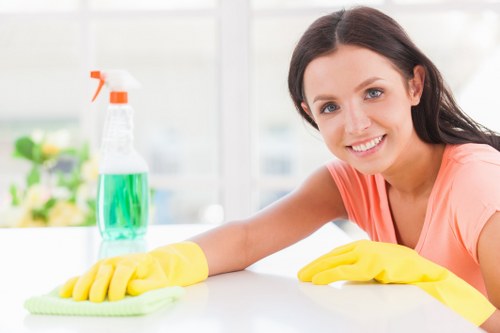
Domestic cleaning refers to the regular cleaning tasks carried out in homes to keep spaces sanitary, safe, and presentable. It covers everyday duties such as dusting, mopping, vacuuming, disinfecting high-touch surfaces, cleaning bathrooms, and maintaining kitchens. While the term may sound simple, domestic cleaning can be tailored to different lifestyles, property sizes, and household needs.
For some households, domestic cleaning may be a daily routine consisting of small tasks that prevent mess from building up. For others, it may involve weekly deep cleaning sessions that target hidden dirt, grease, and dust. The exact approach depends on how much foot traffic the home receives, whether children or pets are present, and how much time the residents can dedicate to upkeep.
What makes domestic cleaning important is not only cleanliness, but consistency. A home that is cleaned regularly is easier to maintain than one that is left for long periods without attention. This is why many people create structured routines or hire domestic cleaning services to stay on top of the work. Consistency is the key to keeping a home both visually appealing and hygienic.
Why Domestic Cleaning Matters for Every Household
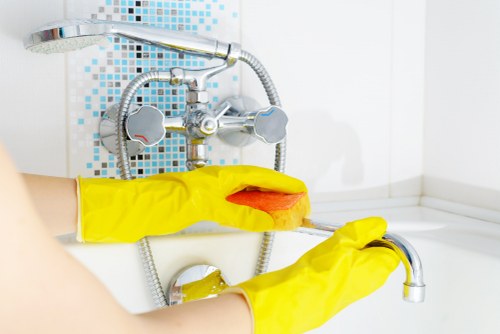
There are many reasons why domestic cleaning should be a priority. First, it supports a healthier home environment by reducing dust, allergens, bacteria, and mold. This is particularly important for households with children, older adults, or individuals with asthma or sensitivities. Clean surfaces and well-maintained rooms help lower the risk of illness and make the home more comfortable to live in.
Second, domestic cleaning improves the overall appearance and atmosphere of a property. A clean home feels calmer, more organized, and more inviting. It also creates a better impression when guests visit. Even small tasks such as wiping mirrors, emptying bins, and vacuuming carpets can make a noticeable difference in how a home looks and feels.
Third, regular domestic cleaning helps protect your investment. Dirt, grime, and moisture can damage floors, upholstery, appliances, and fixtures over time. By taking care of maintenance early, you can avoid costly repairs or replacements later. Regular cleaning is a form of home preservation, not just a cosmetic habit.
The Main Areas Included in Domestic Cleaning
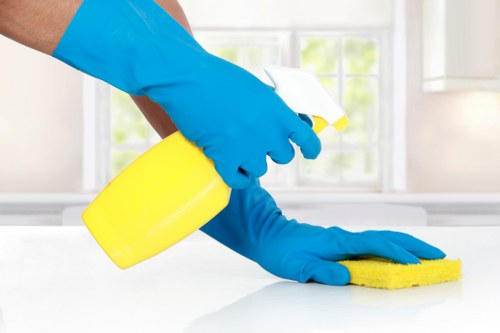
Domestic cleaning usually involves several key areas, each with different needs. Understanding these spaces helps households create a more effective routine and ensures that no important task is missed. The most common areas include kitchens, bathrooms, bedrooms, living rooms, hallways, and utility spaces.
The kitchen is one of the busiest parts of any home, so domestic cleaning here often includes wiping surfaces, cleaning sinks, removing food residue, disinfecting counters, and maintaining appliances such as ovens and fridges. Because food preparation takes place in the kitchen, hygiene is essential. Grease and spills should be addressed quickly to avoid buildup and unpleasant odors.
Bathrooms also need careful attention as part of domestic cleaning. Sinks, toilets, taps, showers, and tiles can accumulate soap scum, limescale, and germs. Bedrooms and living rooms, meanwhile, benefit from dusting, vacuuming, and changing linens or cushion covers. Hallways and utility rooms may be overlooked, but they still collect dirt and deserve regular care. Every room matters when creating a truly clean home.
Common domestic cleaning tasks
- Dusting furniture, shelves, and decorative surfaces
- Vacuuming carpets and rugs
- Mopping hard floors
- Cleaning bathrooms and toilets
- Wiping kitchen counters and appliances
- Emptying bins and replacing liners
- Disinfecting doorknobs, switches, and other touchpoints
Building a Practical Domestic Cleaning Routine
One of the best ways to stay on top of domestic cleaning is to create a routine that fits your household. A realistic cleaning plan works better than an ambitious one that is difficult to maintain. Rather than trying to clean everything at once, it helps to divide tasks into daily, weekly, and monthly categories.
Daily domestic cleaning might include washing dishes, wiping kitchen surfaces, making beds, sweeping high-traffic areas, and tidying clutter. These small actions prevent mess from spreading and reduce the amount of work needed later. Weekly tasks can include vacuuming, mopping, bathroom cleaning, dusting, and changing bed linens. Monthly tasks often focus on deeper cleaning such as washing windows, cleaning behind appliances, and tackling storage areas.
A structured routine brings order to domestic cleaning and makes the process less overwhelming. Many households also find it useful to assign tasks to different family members. This shared approach can save time and teach children valuable habits about responsibility and home care. A tidy home starts with a manageable routine.
Sample weekly domestic cleaning plan
- Monday: Dust and tidy living areas
- Tuesday: Clean kitchen surfaces and appliances
- Wednesday: Clean bathrooms
- Thursday: Vacuum carpets and rugs
- Friday: Mop floors and empty bins
- Saturday: Laundry and bedroom refresh
- Sunday: Light reset and planning for the next week
Professional Domestic Cleaning vs DIY Cleaning
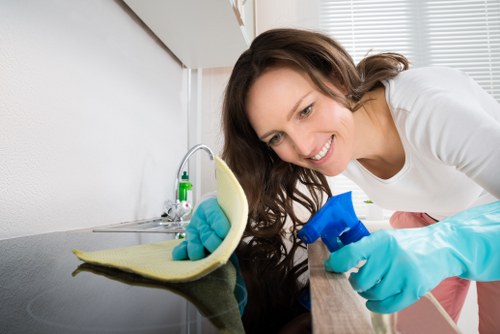
Many households handle domestic cleaning on their own, while others prefer professional support. Both options have advantages. DIY cleaning gives you full control over when and how tasks are completed. It may also suit smaller homes or families who enjoy maintaining their space as part of a regular routine. With the right products and a good schedule, DIY domestic cleaning can be highly effective.
Professional domestic cleaning, however, can save time and provide a deeper level of care. It is especially useful for busy households, larger properties, or people who need help with demanding jobs. Professional cleaners often have experience dealing with stains, hard-to-reach areas, and detailed tasks that require more than a basic wipe-down. They also bring efficiency, which can be valuable for people balancing work, family, and other commitments.
The choice between DIY and professional domestic cleaning often comes down to lifestyle, budget, and cleaning expectations. Some households use a combination of both, completing daily tasks themselves while booking professional domestic cleaning for periodic deep cleans. This blended approach can be both practical and cost-effective.
How Domestic Cleaning Supports Health and Wellbeing
Clean homes do more than look appealing; they also support physical and mental wellbeing. Dust, pollen, pet dander, and other airborne particles can build up over time, affecting air quality and triggering allergies. Regular domestic cleaning helps reduce these irritants, making the home more pleasant for everyone inside.
Bathrooms and kitchens are particularly important because they are the most likely areas to harbor germs. By focusing on these spaces with proper domestic cleaning methods, households can reduce the spread of bacteria and maintain a more hygienic environment. Disinfecting surfaces, washing hands regularly, and cleaning spills promptly all play a part in this process.
There is also a strong mental health benefit to domestic cleaning. Clutter and mess can make a home feel chaotic, while clean and organized spaces often create a sense of calm and control. Many people find that cleaning helps them feel more productive and focused. A clean environment can improve mood and reduce the stress that comes from living in a disorganized space.
Health-focused domestic cleaning habits
- Use microfiber cloths to trap dust more effectively
- Disinfect high-touch areas regularly
- Keep sinks and drains clean to prevent odors
- Wash bedding frequently to reduce allergens
- Open windows when possible for fresh air circulation
Choosing the Right Cleaning Products and Tools
Good domestic cleaning depends not only on effort but also on the tools and products used. Microfiber cloths, mops, vacuum cleaners, brushes, and disinfectants all play a role in achieving better results. Using the right product for the right surface can save time and prevent damage. For example, harsh chemicals may not be suitable for natural stone, while certain wood surfaces require gentle cleaners.
Eco-friendly products are increasingly popular in domestic cleaning because they offer effective results with fewer harsh ingredients. These products are often better for households with children, pets, or sensitive skin. Many people also prefer fragrance-free or low-odor cleaners, especially in smaller homes or enclosed spaces. Choosing products carefully helps create a safer and more comfortable home environment.
It is also important to maintain your cleaning tools. Vacuum filters should be checked and replaced when needed, mops should be washed properly, and cloths should be sanitized to avoid spreading dirt around the house. Well-maintained tools make domestic cleaning easier and more effective.
Useful domestic cleaning essentials
- Microfiber cloths
- All-purpose cleaner
- Glass cleaner
- Disinfectant spray or wipes
- Vacuum cleaner with attachments
- Mop and bucket
- Scrub brushes and sponges
- Rubber gloves
Time-Saving Domestic Cleaning Strategies
Time is one of the biggest barriers to effective domestic cleaning, but smart strategies can make the process much faster. One useful method is to clean from top to bottom. Start with shelves, windowsills, and other elevated surfaces so that dust falls to the floor before vacuuming or mopping. This prevents repetitive work and creates a smoother flow.
Another helpful approach is zone cleaning, where you focus on one room or area at a time. This keeps you organized and helps you see progress more clearly. Many people also use timers to work in short bursts, especially when handling larger domestic cleaning tasks. Spending 15 or 20 minutes on a targeted job can be more productive than spending hours feeling overwhelmed.
Decluttering is another major time-saver. A home with fewer unnecessary items is easier to clean and maintain. Surfaces stay clearer, dust has fewer places to settle, and storage becomes more manageable. Less clutter means less cleaning pressure, which is one reason minimalist habits are often linked to better home care.
Simple ways to clean faster
- Keep cleaning supplies in each key area of the home
- Handle mess immediately before it spreads
- Use multi-purpose cleaners when appropriate
- Set regular reminders for routine tasks
- Declutter rooms seasonally
Seasonal Domestic Cleaning and Deep Cleaning Tasks
While routine domestic cleaning handles everyday upkeep, seasonal deep cleaning addresses the areas that are often missed. These tasks may not need to be done every week, but they are essential for keeping the home in top condition. Seasonal cleaning often takes place in spring, autumn, or before major events and family gatherings.
Deep cleaning may include washing curtains, cleaning inside cupboards, scrubbing grout, wiping baseboards, and moving furniture to remove hidden dust. It may also involve cleaning light fixtures, vents, skirting boards, and storage areas. These tasks are particularly important in homes where dust and moisture accumulate quickly.
Seasonal domestic cleaning is also a good opportunity to check for maintenance issues. You might notice leaks, worn seals, mold spots, or damaged surfaces that need attention. Addressing these problems early can help you avoid more serious issues later. Deep cleaning and maintenance often go hand in hand.
Domestic Cleaning for Different Households
Not every home has the same domestic cleaning needs. A young professional living alone may only need a simple routine focused on dishes, floors, and bathrooms. A family home with children and pets may require more frequent cleaning because of spills, footprints, fur, and toys. Shared accommodation may need a clear schedule so that responsibilities are evenly distributed.
Pet owners often need to focus on hair removal, odor control, and regular vacuuming. Homes with children may need more frequent disinfecting of surfaces, especially in kitchens, play areas, and bathrooms. Older adults may benefit from lighter cleaning routines that prioritize safety and reduce physical strain. Adapting domestic cleaning to the household is one of the best ways to make it sustainable.
Rental properties also benefit from regular domestic cleaning, especially when tenants want to protect deposits and keep the home in good condition. Clean spaces are easier to inspect, maintain, and enjoy. Whether the property is owned or rented, domestic cleaning helps create a more stable and pleasant living environment.
Domestic cleaning priorities by household type
- Families: high-traffic areas, bathrooms, kitchens, and laundry
- Pet owners: fur control, upholstery care, and floor cleaning
- Busy professionals: quick daily resets and weekly deep cleans
- Older adults: safe, manageable tasks with regular support
- Shared homes: clear task allocation and common-area upkeep
The Long-Term Value of Regular Domestic Cleaning
Domestic cleaning is an investment in the quality of life at home. Beyond the immediate visual improvement, it supports better hygiene, greater comfort, and long-term savings. Clean homes tend to last longer because surfaces, appliances, and fabrics are protected from unnecessary wear. This can reduce the need for costly repairs or replacements.
Regular domestic cleaning also supports a more organized lifestyle. When the home is in order, daily routines become smoother and less stressful. It is easier to find items, prepare meals, welcome guests, and relax after a long day. In many ways, domestic cleaning creates a foundation for better living habits overall.
People who maintain clean homes often feel more in control of their environment. That sense of order can have a positive effect on mood, sleep, and productivity. A clean home is not just about appearance; it is about creating a better way to live.
Final Thoughts on Domestic Cleaning
Domestic cleaning remains one of the most valuable habits for any household. It protects health, improves comfort, and keeps a home looking its best. Whether you handle it yourself or rely on professional support, a consistent approach makes a noticeable difference. With the right routine, tools, and mindset, domestic cleaning becomes much more manageable and far less stressful.
If your home feels difficult to maintain, start with small changes. Focus on one room, one task, or one daily habit at a time. Over time, those small efforts add up to a cleaner, calmer, and more organized living space. Domestic cleaning does not have to be overwhelming when it is approached with structure and consistency.
Book your service now if you want professional support, or create a cleaning routine today and take the first step toward a fresher home. Contact us today to explore practical domestic cleaning options that fit your lifestyle and household needs.