Move Out Cleaning in Empty Homes: A Practical Approach to a Stress-Free Transition
Move out cleaning in empty homes is one of the most important tasks during the end of a lease, property sale, or relocation. Whether you are a tenant trying to secure a full deposit refund or a homeowner preparing a property for the next occupant, move out cleaning plays a major role in leaving the space in excellent condition. It is not just about making a place look tidy; it is about restoring cleanliness to a standard that meets landlord expectations, buyer expectations, and professional inspection requirements.
Many people underestimate how detailed move out cleaning can be. Once furniture is gone, hidden dust, grease, stains, and grime often become more visible. That is why a structured approach is essential. A proper cleaning process helps reduce stress, saves time, and creates a polished final result. For many households and rental properties, move out cleaning in empty spaces is the final step that makes moving feel complete.
In this article, you will learn what makes move out cleaning different, which areas need the most attention, and how to plan the work efficiently. You will also find practical tips, safety suggestions, and cleaning priorities that support a smooth transition. If you want a cleaner handover and a stronger first impression, this topic matters more than you might think.
Why Move Out Cleaning in Empty Properties Matters

Move out cleaning in empty properties is important because it affects the final condition of the space at a critical moment. When a home is vacant, every surface is easier to inspect, and any remaining dirt stands out more clearly. This is especially true for rental homes, where landlords often compare the property condition against the original move-in checklist.
A thorough move out cleaning can also influence whether a security deposit is returned in full. Even if a property looks acceptable at first glance, overlooked details such as baseboards, cabinet shelves, or bathroom buildup can lead to deductions. In sales situations, a clean property gives buyers a better impression and helps the home feel move-in ready.
Another reason move out cleaning in empty homes matters is hygiene. After boxes are removed and traffic has passed through the house, dust and debris can settle into corners, vents, and hidden areas. A proper cleaning routine improves indoor freshness and prepares the property for the next person to occupy it.
What Makes Move Out Cleaning Different from Regular Cleaning
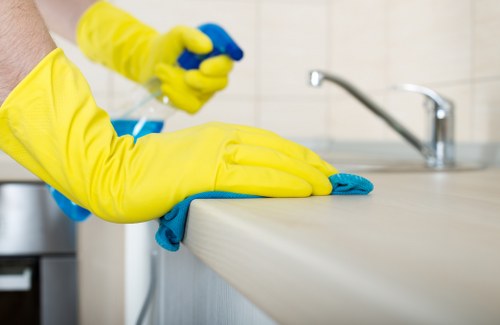
Regular house cleaning focuses on maintenance. Move out cleaning, on the other hand, focuses on deep restoration. The goal is to leave the property in a condition that is significantly cleaner than everyday upkeep would achieve. This often means cleaning areas that are not touched during standard weekly routines.
Move out cleaning usually includes detailed attention to appliances, inside cabinets, walls, trim, light fixtures, and other high-contact surfaces. In an empty property, these areas are exposed and easy to inspect. That is why the process often takes longer and requires more effort than routine cleaning.
There is also a difference in standards. Regular cleaning supports daily comfort, while move out cleaning in a vacant home is often judged by inspection criteria. Landlords, real estate agents, and buyers may expect a higher level of detail. Knowing this difference helps set realistic expectations before the work begins.
How to Prepare for a Move Out Cleaning
Create a room-by-room plan

Before starting move out cleaning, it helps to make a simple room-by-room plan. This prevents missed spots and keeps the process organized. Begin by listing every room in the property, including closets, hallways, bathrooms, kitchens, laundry spaces, and storage areas. Once you have the list, assign tasks to each area.
Preparation also means gathering the right supplies. A typical move out cleaning kit may include microfiber cloths, disinfectant, glass cleaner, scrub brushes, sponges, a vacuum, mop, bucket, degreaser, and trash bags. If the home has special surfaces such as stainless steel, natural stone, or hardwood, include products that are safe for those finishes.
It is also helpful to remove all personal belongings before deep cleaning begins. When the property is empty, move out cleaning becomes easier because every surface is accessible. This allows you to clean behind appliances, inside cabinets, and along edges where dirt often gathers. A clear space leads to a more efficient and better final result.
Quick preparation checklist
- Remove all furniture, boxes, and personal items
- Check the lease or sale agreement for cleaning requirements
- Gather cleaning tools and surface-safe products
- Inspect for damage, stains, or repair needs
- Plan enough time for deep cleaning each area
Key Areas to Focus on During Move Out Cleaning
Kitchen deep cleaning
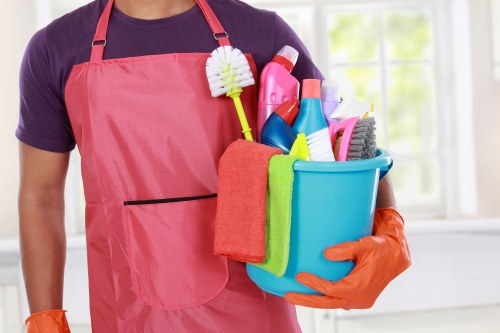
The kitchen is one of the most important spaces during move out cleaning in any home. Grease, food residue, and stains can build up over time, especially around cooking areas. Start with the cabinets, wiping both the inside and outside surfaces. Remove crumbs, shelf dust, and old liners if needed. Pay attention to handles and hinges, which often collect grime.
Appliances deserve special attention as well. Clean the oven, stovetop, microwave, refrigerator, and dishwasher inside and out. If the refrigerator is being left behind, make sure it is empty, defrosted if necessary, and cleaned thoroughly. A clean kitchen can strongly affect how the whole property is perceived.
Backsplashes, counters, sinks, and faucets should also be scrubbed until they are free of buildup. Floor corners and under-appliance areas often hold dust, pet hair, and bits of debris. In move out cleaning, the kitchen should look fresh, sanitized, and ready for immediate use.
Bathroom cleaning
Bathrooms require careful attention because soap scum, hard water stains, and mildew can quickly make them look neglected. Start by disinfecting sinks, countertops, toilets, tubs, and showers. Polish mirrors and faucets to restore shine. If there is buildup on tile or grout, use a suitable cleaner and scrub until the surfaces look refreshed.
Vent fans, shelves, and medicine cabinets should not be forgotten. These small spaces often collect dust, hair, and moisture-related residue. Move out cleaning in bathrooms should also include cleaning around the base of toilets, behind doors, and along floor edges. These areas may seem minor, but they matter during inspection.
For homes with multiple bathrooms, repeat the process carefully in each one. A consistent approach ensures that the entire property meets the same standard. Since bathrooms are high-use areas, leaving them spotless gives a strong sign of proper care.
Living Areas, Bedrooms, and Hidden Spaces

Living areas and bedrooms may seem easier to clean than kitchens or bathrooms, but they still require a detailed approach. Dust often settles on baseboards, window ledges, ceiling fans, vents, and light fixtures. In an empty home, these details become very noticeable. Vacuum carpets, mop hard floors, and wipe all reachable surfaces.
Closets should be checked carefully. Even if they appear empty, shelves, rods, and corners may hold dust or debris. Move out cleaning in bedrooms should include washing marks from walls when possible, removing nail hooks if required, and making sure closets are free of leftover items. Any forgotten object can slow down the handover process.
Hallways, stairs, and entryways are also important. These spaces are often used heavily during the move and can accumulate scuffs and dust. When cleaned properly, they make the entire property feel more polished. Hidden spaces such as under sinks, behind doors, and around radiators deserve attention too.
How to Clean Walls, Windows, and Fixtures
Surface details that make a big difference
One of the most overlooked parts of move out cleaning is surface detailing. Walls may have fingerprints, small marks, or dust accumulation near corners and light switches. Wiping these areas carefully can significantly improve the overall appearance of the property. For stubborn marks, use a gentle cleaning method that will not damage paint.
Windows should be cleaned inside, and if accessible, the tracks and sills should be vacuumed or wiped down. Clean windows allow more light into the property, which can make rooms appear larger and brighter. In move out cleaning, this is especially useful because natural light highlights cleanliness and openness.
Fixtures such as ceiling lights, door handles, switch plates, and curtain rods often get touched but rarely receive a deep clean. A complete move out cleaning plan should include these details. The result is a property that feels cared for from top to bottom.
Helpful surface-cleaning priorities
- Dust from high surfaces first
- Clean walls and switches next
- Wipe fixtures and glass surfaces
- Finish with floors and baseboards
Floor Cleaning for Different Surface Types
Carpet, hardwood, tile, and vinyl
Floors often carry the heaviest evidence of daily life, so they should receive careful attention during move out cleaning. Carpeted rooms usually need thorough vacuuming, and in some cases, spot treatment or professional steam cleaning may be necessary. Stains, odors, and embedded dust can affect the final condition of the property.
Hardwood floors should be swept, vacuumed with a safe attachment, and mopped lightly using the right product. Too much moisture can damage wood, so caution is important. Tile and vinyl floors may need a stronger scrub in grout lines or textured areas. The goal is not just to clean the surface, but to restore a fresh appearance.
Edges and corners deserve special focus because debris naturally collects there. Move out cleaning in empty homes is more effective when the cleaning begins at the top and finishes with the floors. That way, dust from higher surfaces does not settle back down after the floor work is complete.
Common Mistakes to Avoid During Move Out Cleaning
Many people rush through move out cleaning because they are focused on moving logistics. That often leads to missed areas or poor results. One common mistake is cleaning only visible surfaces. Areas behind appliances, inside drawers, and above cabinets are easy to forget, but they can affect the final inspection.
Another mistake is using the wrong cleaning products. Harsh chemicals may damage surfaces, while weak products may not remove buildup effectively. Reading labels and using surface-appropriate solutions helps protect the property while still achieving a strong clean. This is especially important in a move out cleaning situation, where appearance and safety both matter.
A third mistake is leaving the cleaning for the last day. Since move out cleaning takes longer than expected, it is better to begin early and work in stages. This reduces stress and allows time to address problem spots. Planning ahead can make the difference between a rushed result and a smooth final handover.
Benefits of Hiring a Professional Move Out Cleaning Service
When expert help makes sense
While some people prefer to handle cleaning on their own, many choose professional move out cleaning services for convenience and results. Professionals bring experience, equipment, and a detailed process that can save time. This is especially helpful for larger homes, tight deadlines, or properties that need a high standard of cleanliness.
A professional team often knows how to handle deep cleaning tasks more efficiently. They can focus on hard-to-reach areas, stubborn stains, and overlooked spaces that may take a homeowner much longer to address. For tenants, hiring help can increase the chance of passing inspection. For sellers, it can improve how the property presents to potential buyers.
Professional move out cleaning also reduces physical strain. Moving is already exhausting, and adding intensive cleaning can be overwhelming. If you want to save time and reduce pressure, booking a service can be a practical option. Book your service now if you want a cleaner, faster transition.
How to Stay Organized on Cleaning Day
Simple strategies for better results
Organization matters just as much as effort during move out cleaning. Start with the highest areas in each room and work downward. This prevents dust from falling onto already cleaned surfaces. A room-by-room sequence also helps you keep track of progress and avoid repeating tasks.
It is smart to separate cleaning into stages. For example, one stage may focus on trash removal and decluttering, another on bathrooms and kitchen surfaces, and a final stage on floors and touch-ups. Breaking the work into smaller parts makes move out cleaning feel more manageable and less overwhelming.
Keep a final checklist for inspection day. Include items such as empty cabinets, wiped baseboards, clean appliances, dust-free vents, and polished fixtures. Small finishing touches can significantly improve the overall presentation. If needed, do one last walk-through with good lighting to spot missed areas.
Why Move Out Cleaning in Empty Homes Creates Better Results
A cleaner space is easier to inspect
Move out cleaning in empty homes is usually more effective than cleaning around furniture because there are no obstacles in the way. You can reach corners, walls, shelves, and floors more easily. This access makes it simpler to spot grime and complete detailed work without interruption.
Empty spaces also allow for better light and visibility. When rooms are clear, dirt, streaks, and dust are easier to identify. That means the cleaning process can be more accurate and thorough. It also helps ensure that nothing gets missed behind furniture or under storage items.
From a practical perspective, empty-home move out cleaning saves time in the long run because you are not moving items around repeatedly. The result is a cleaner, more polished finish that can support a smoother inspection, sale, or rental turnover. If you are preparing to leave a property, this approach is worth the effort.
Frequently Focused Areas in Move Out Cleaning Checklists
What people often forget
Many move out cleaning checklists miss the smaller details that have a big impact. Examples include inside light fixtures, the top of door frames, top shelves in closets, and the edges of window tracks. These areas may not be obvious at first, but they can make the difference between an average clean and an impressive one.
Other commonly forgotten spots include behind toilets, beneath sinks, behind appliances, and around air vents. These places can collect dust, lint, and residue over time. A complete move out cleaning checklist should cover both visible and hidden zones so that the property feels fully refreshed.
Do not forget exterior touchpoints if they are included in your responsibility. Front entrances, porches, and balcony areas may need sweeping or wiping. Leaving these areas neat can create a positive final impression from the moment someone arrives.
Small details worth checking
- Inside drawers and shelves
- Light switches and outlet covers
- Window tracks and corners
- Baseboards and trim edges
- Behind and under appliances
Final Thoughts on Move Out Cleaning in Any Property
Move out cleaning in empty homes is more than a final chore; it is the finishing touch that helps close one chapter and open another. A well-cleaned property creates a better experience for landlords, buyers, and new occupants, while also helping the person moving out feel more confident about the transition. When done carefully, it supports a smooth and respectful handover.
By focusing on the kitchen, bathroom, floors, walls, windows, and hidden areas, you can raise the standard of the entire space. Whether you do the work yourself or hire professional help, the key is to stay organized and detail-focused. A clean home reflects care, effort, and responsibility.
If you are preparing for a move, do not leave cleaning until the last moment. Start planning early, gather the right supplies, and take the time to finish thoroughly. Contact us today if you are ready to make your move easier and your property look its best. Book your service now for reliable move out cleaning that helps you leave with confidence.