Insurance and Safety
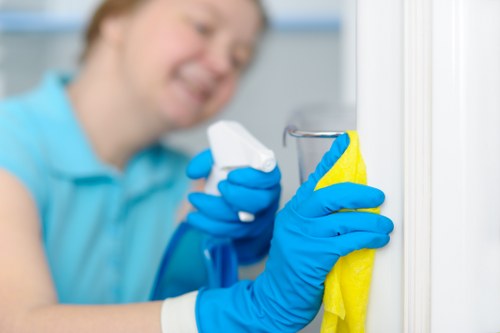 Insurance and safety are essential parts of running a reliable, professional, and responsible service. Whether a project is large or small, having the right protections in place helps reduce disruption, protect people, and support confident decision-making. A well-managed insurance and safety approach is not only about meeting expectations; it is about creating a secure environment where risks are identified early and controlled effectively.
One of the most important foundations is public liability insurance. This type of cover helps protect against claims made by third parties for injury or property damage linked to business activities. In practical terms, public liability insurance supports financial stability if an unexpected incident occurs. It is a key part of any insurance and safety policy because it shows a commitment to accountability and responsible working practices. By keeping this protection in place, organisations can focus on delivering work while maintaining a strong safeguard against avoidable loss.
Another vital element is staff training. A strong safety culture begins with people who understand the correct procedures, hazards, and expected standards. Training should cover safe working methods, emergency response, manual handling, site awareness, and reporting procedures.  Regular refresher sessions help staff stay up to date and reinforce good habits. When employees are properly prepared, the overall level of insurance and safety management improves, because fewer mistakes and incidents are likely to occur.
PPE, or personal protective equipment, also plays a major role in protecting workers and visitors. Depending on the task, PPE may include helmets, gloves, safety footwear, eye protection, high-visibility clothing, or respiratory protection. The correct use of PPE is a simple but effective way to reduce exposure to common hazards. However, PPE should always be part of a broader control strategy rather than the only line of defence. In a well-structured insurance and safety framework, PPE is matched to the specific risks identified on site.
The risk assessment process is central to maintaining safe operations. It starts by identifying possible hazards, then evaluating who may be harmed and how serious the consequences could be. 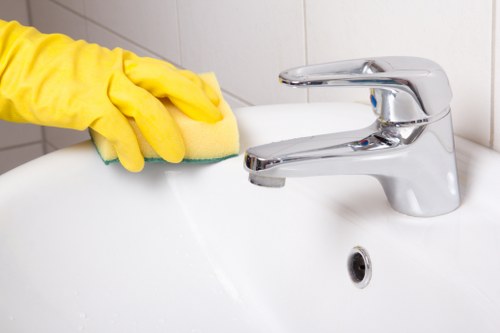 Once risks are understood, suitable control measures are introduced, monitored, and reviewed. This process helps ensure that hazards are not ignored or handled informally. A careful risk assessment supports both health and safety and insurance protection, because it demonstrates that reasonable steps have been taken to prevent accidents.
Risk assessments should be practical, specific, and updated whenever conditions change. For example, a new task, new equipment, seasonal weather, or different working environments may create additional risks. By reviewing controls regularly, organisations can maintain an effective insurance and safety system that reflects real-world conditions. Documentation is also important, as records provide evidence of the actions taken to protect people and property. This documentation can be valuable if an incident occurs and further review is required.
Good safety practice also depends on clear communication. Staff should know how to report hazards, near misses, and incidents without delay. Managers and supervisors should respond quickly, investigate what happened, and put improvements in place. This creates a cycle of learning that strengthens the overall approach to insurance and safety management. A workplace where people are encouraged to speak up is often a safer workplace, because small issues can be addressed before they develop into larger problems.
In addition, equipment and work areas should be maintained in a safe condition. Tools, machinery, access routes, and storage areas must be checked regularly to help prevent avoidable accidents.  When maintenance is planned and recorded, it supports a more dependable insurance and safety policy. It also reduces the likelihood of claims resulting from poor upkeep or unsafe conditions. Preventive care is more effective and efficient than reacting after damage or injury has already happened.
Insurance and safety should never be treated as separate concerns. Instead, they work best together as part of a single responsible system. Public liability insurance offers financial protection, staff training builds competence, PPE adds immediate protection, and the risk assessment process ensures hazards are managed methodically.  Together, these measures help create safer environments, protect reputations, and support long-term resilience. A strong commitment to insurance and safety standards reflects professionalism, care, and respect for everyone involved.