Deep Cleaning in Modern Homes: A Practical Approach to a Healthier, Fresher Space
Deep cleaning in any home is more than a quick tidy-up. It is the kind of thorough, detail-focused cleaning that reaches the hidden corners, overlooked surfaces, and stubborn buildup that regular cleaning routines often miss. Whether you live in a busy household, manage a rental property, or simply want a fresher environment, deep cleaning can transform how your space looks, feels, and functions.
Many people search for deep cleaning when they notice dust settling in strange places, odors lingering longer than usual, or surfaces losing their shine. The truth is that deep cleaning is not only about appearance. It supports better indoor hygiene, reduces allergens, and creates a more comfortable living environment. Deep cleaning in your home can make a noticeable difference in both health and peace of mind.
In this article, we will explore what deep cleaning involves, why it matters, which areas require extra attention, and how to approach the process efficiently. You will also find practical tips, room-by-room advice, and ways to maintain the results longer. If you want a cleaner, healthier home, deep cleaning is one of the most effective steps you can take.
What Deep Cleaning Really Means

Deep cleaning is a thorough cleaning method that goes beyond the surface. Unlike everyday tidying or light maintenance, it targets built-up dirt, grime, grease, dust, and bacteria in hard-to-reach places. It often involves moving furniture, cleaning behind appliances, wiping baseboards, sanitizing high-touch areas, and addressing neglected corners.
Deep cleaning in residential spaces usually takes longer than routine cleaning because it focuses on detail. You are not just making a room look neat; you are restoring cleanliness at a deeper level. That is why many people schedule deep cleaning seasonally, before special events, after renovations, or when moving in or out of a property.
Think of it as a reset for your home. While regular cleaning keeps daily mess under control, deep cleaning helps eliminate the layers of buildup that can accumulate over time. It is especially important in kitchens, bathrooms, and high-traffic areas where germs and residue tend to collect faster.
Why Deep Cleaning Matters for Every Home
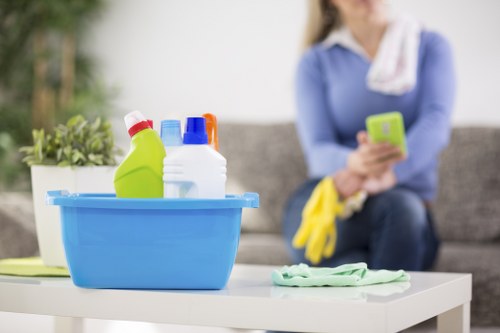
There are several reasons why deep cleaning in the home should not be overlooked. First, it improves hygiene. Dust, bacteria, mold spores, and allergens can gather in places that are rarely touched during weekly cleaning. A detailed cleaning routine helps reduce these irritants and supports a healthier indoor atmosphere.
Second, deep cleaning protects your belongings and surfaces. Grease left on cabinets, soap scum on tile, and dust on electronics can shorten the life of materials and appliances. Regular deep cleaning helps preserve finishes, fabrics, and fixtures.
Third, it improves comfort and mental clarity. A clean environment often feels more peaceful and more manageable. When every area of the home is fresh and organized, daily life becomes easier. Many homeowners notice that after a proper deep cleaning, rooms feel larger, brighter, and more welcoming.
Benefits at a Glance
- Reduces dust, allergens, and bacteria
- Improves the appearance of living spaces
- Extends the life of surfaces and furnishings
- Helps eliminate odors and stale buildup
- Makes routine cleaning faster afterward
Areas That Need the Most Attention During Deep Cleaning
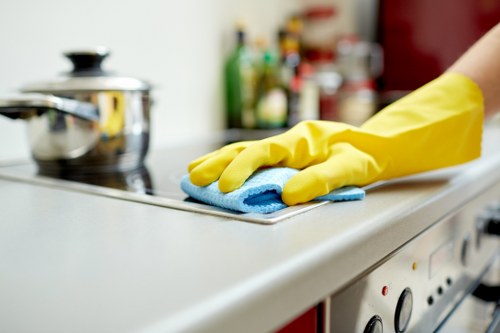
Not every part of the home requires the same level of attention, but certain areas almost always benefit from a deep cleaning. Kitchens and bathrooms are at the top of the list because they experience frequent moisture, food residue, soap buildup, and heavy use. These rooms often hide grime in corners, around fixtures, and inside cabinets.
Living rooms, bedrooms, and hallways also need attention, especially where dust and pet hair settle. Upholstered furniture, curtains, vents, light switches, and ceiling fans are common places where dirt gathers gradually. Deep cleaning in these areas can dramatically improve indoor air quality and reduce allergy triggers.
Don’t forget less obvious spots such as door frames, window tracks, vents, under beds, and behind appliances. These hidden areas are often skipped in routine cleaning but can hold significant buildup over time. A true deep cleaning approach addresses both visible and invisible mess.
Common Overlooked Spots
- Behind and under the refrigerator
- Inside oven doors and microwave interiors
- Baseboards and trim edges
- Bathroom grout and shower tracks
- Inside cabinets and drawers
- Air vents and return covers
Deep Cleaning in the Kitchen

The kitchen is one of the most important rooms to deep clean because it is used daily and exposed to food particles, grease, and moisture. A strong deep cleaning in the kitchen starts with clearing countertops, removing items from cabinets, and wiping down all surfaces with the right cleaner. Pay special attention to areas around sinks, backsplashes, and handles, where fingerprints and splatter build up quickly.
Appliances deserve careful treatment as well. The refrigerator should be emptied, shelves removed if possible, and interior surfaces wiped clean. The oven needs grease removal, the microwave should be sanitized inside and out, and the dishwasher filter should be inspected. Deep cleaning in the kitchen is especially effective when you focus on hidden grease and food residue.
Cabinets and drawers also need periodic attention. Crumbs, sticky spots, and spills can accumulate inside them, even if the outside appears tidy. Use a damp cloth and a gentle cleaner, then dry thoroughly. Floors should be vacuumed, mopped, and checked along edges where dirt may collect.
Kitchen Deep Cleaning Checklist
- Empty and wipe refrigerator shelves and drawers
- Clean oven, stove, and microwave inside and outside
- Degrease range hood and backsplash
- Sanitize sink, faucet, and drain area
- Wipe cabinet fronts and cabinet interiors
- Mop floors and clean along baseboards
Deep Cleaning in the Bathroom
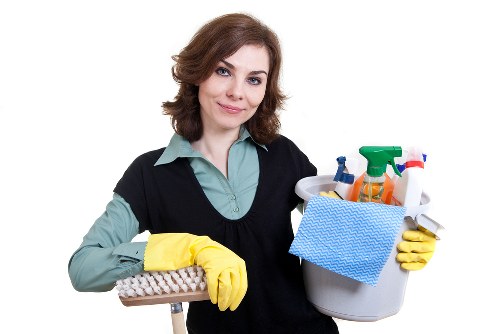
Bathrooms collect moisture, soap residue, toothpaste, and mineral deposits, making them a key space for deep cleaning. Start by removing items from counters, shelves, and shower areas. Then clean mirrors, sinks, counters, toilets, tubs, and showers thoroughly. The goal is not just a neat look but a sanitized and refreshed space.
Grout lines and tile edges often need extra effort. Use a suitable brush and cleaner to remove discoloration and buildup. Shower doors, faucets, and drains can also show signs of hard-water residue that regular wiping may not remove. Deep cleaning in the bathroom often reveals how much buildup has gone unnoticed.
To finish, clean behind the toilet, wipe the base of cabinets, sanitize handles, and mop the floor carefully. Good bathroom deep cleaning can reduce odors, improve shine, and make daily routines feel more pleasant. If mold or mildew is present, address it promptly with the proper cleaning method.
Bathroom Priority Areas
- Shower walls, doors, and curtain areas
- Toilet base and surrounding floor
- Sink drains and faucet handles
- Grout, tile seams, and corners
- Exhaust fan covers and vents
Deep Cleaning in Bedrooms and Living Areas
Bedrooms and living rooms may look clean at first glance, but they often harbor dust in fabrics, corners, and under furniture. A good deep cleaning in these spaces begins with removing clutter and dusting from top to bottom. Ceiling fans, lampshades, shelves, picture frames, and baseboards should all be included.
Furniture care matters too. Vacuum upholstered sofas, chairs, and mattresses using the right attachments. Wash cushion covers if they are removable. Curtains and blinds should be dusted or laundered as recommended. Deep cleaning in bedrooms can improve sleep comfort and help reduce allergens that interfere with breathing.
Under beds, behind sofas, and along wall edges are often neglected spaces. Vacuuming these areas removes hidden dust and debris that can build up for months. If your room has carpets or rugs, a thorough vacuum followed by steam cleaning or shampooing may be worthwhile depending on the material.
Helpful Bedroom and Living Room Tasks
- Dust high shelves and ceiling fixtures
- Vacuum under furniture and along edges
- Wash bedding, pillow covers, and throws
- Clean windows, tracks, and blinds
- Freshen upholstered furniture and rugs
How to Plan a Deep Cleaning Routine
Planning is essential if you want deep cleaning in your home to feel manageable rather than overwhelming. The best approach is to divide the work into zones or rooms and tackle one area at a time. This method helps maintain focus and prevents missed spots. It is also useful to gather supplies before you begin so you do not waste time searching for products mid-task.
Set realistic expectations based on the size of the home and the amount of buildup present. A small apartment may require a half-day, while a larger house could take a full weekend or more. Deep cleaning works best when broken into organized steps instead of rushed attempts. Many people find it helpful to start with the dirtiest rooms, such as the kitchen or bathroom, and move toward lower-maintenance spaces.
Creating a seasonal schedule can also keep your home consistently fresh. For example, you might deep clean in spring, again before the holidays, and once more before major events or guests arrive. Routine planning makes the task much easier over time and prevents buildup from becoming excessive.
Simple Planning Tips
- Choose one room or zone per session
- Prepare all supplies in advance
- Start from top surfaces and move downward
- Use a checklist to stay organized
- Schedule deep cleaning regularly, not only when things look dirty
Supplies That Make Deep Cleaning Easier
Having the right supplies can make deep cleaning in any home more effective and less tiring. Basic tools often include microfiber cloths, sponges, scrub brushes, a vacuum cleaner with attachments, a mop, and buckets. Depending on the room, you may also need glass cleaner, degreaser, bathroom cleaner, disinfectant, and fabric-safe products.
Choosing quality tools matters because they save time and improve results. Microfiber cloths trap dust instead of spreading it around, while a vacuum with a crevice tool helps reach corners and furniture gaps. The right equipment can turn a difficult cleaning session into a smoother, faster process.
It is also wise to keep cleaning products labeled and stored safely. Read instructions carefully and avoid mixing chemicals, especially in areas like bathrooms and kitchens where stronger cleaners may be used. For homes with children or pets, consider using products that are safe for the environment and indoor use.
Useful Deep Cleaning Supplies
- Microfiber towels and dusters
- Scrub brushes and grout brushes
- Vacuum cleaner with attachments
- Mop and bucket
- Glass cleaner and all-purpose cleaner
- Disinfecting wipes or spray
- Degreaser and bathroom cleaner
Deep Cleaning Mistakes to Avoid
Even with the best intentions, many people make mistakes during deep cleaning that reduce effectiveness or waste time. One common error is trying to clean too many rooms at once. This often leads to fatigue and unfinished tasks. Another mistake is using the wrong cleaner on delicate surfaces, which can cause damage or streaks.
Skipping preparation is another issue. If you do not remove clutter first, you may spend most of your time moving objects instead of cleaning. Likewise, using dirty tools defeats the purpose. Deep cleaning in a thoughtful, organized way always produces better results than rushing through it.
It is also important not to ignore ventilation. Some cleaning products produce strong fumes, so open windows or use fans when needed. Finally, avoid forgetting high-touch surfaces such as handles, switches, and remote controls. These are small details, but they matter greatly in a true deep cleaning routine.
What to Avoid
- Cleaning without a plan
- Using harsh products on sensitive materials
- Neglecting hidden spaces
- Leaving clutter in place during cleaning
- Forgetting to rinse or dry surfaces properly
How Often Should Deep Cleaning Be Done?
The ideal frequency for deep cleaning depends on lifestyle, household size, pets, allergies, and how much foot traffic your home receives. In many homes, a deep cleaning schedule every three to six months works well. However, homes with children, pets, or frequent guests may benefit from more frequent attention.
Some areas need deeper cleaning more often than others. Kitchens and bathrooms may require monthly attention for certain tasks, while bedrooms and living rooms may need seasonal deep cleaning. Deep cleaning in high-use spaces keeps the entire home easier to maintain between sessions.
If you are preparing for a move, recovering after renovation, or dealing with excess dust, a one-time intensive deep cleaning may be especially useful. The more consistent your schedule, the less buildup you will have to manage later. That makes future cleaning faster and more effective.
Signs Your Home Needs Deep Cleaning Now
Sometimes the need for deep cleaning is obvious, but in other cases the signs are subtle. If surfaces are sticky even after wiping, dust returns quickly, or rooms smell stale despite regular cleaning, it may be time for a more detailed approach. Discoloration on grout, buildup around faucets, or residue on appliance surfaces are also strong indicators.
Allergy symptoms can be another clue. Frequent sneezing, irritated eyes, or dusty air may suggest that hidden buildup is affecting indoor comfort. Deep cleaning in these situations can make your home feel noticeably fresher and more breathable.
Visual clutter, neglected corners, and general dullness in a room are other signs that a reset is needed. If you find yourself cleaning the same surfaces repeatedly without lasting results, deeper cleaning will likely solve the root problem rather than just the symptoms.
Making Deep Cleaning Part of a Healthy Home Routine
The best way to benefit from deep cleaning is to make it part of your regular home care routine. Daily tidying and weekly cleaning reduce surface mess, while scheduled deep cleaning handles the buildup that routine maintenance cannot fully remove. Together, these habits create a more balanced and manageable home environment.
Try combining small maintenance habits with larger cleaning sessions. Wipe spills immediately, vacuum high-traffic areas often, and do quick dusting each week. Then reserve time for more detailed work in intervals that suit your schedule. Deep cleaning in a consistent routine is less stressful and more effective than waiting until the house feels overwhelming.
If your schedule is busy, consider alternating focus areas. One month, deep clean the kitchen; the next, focus on bathrooms and bedrooms. This approach keeps the workload realistic while still maintaining a high standard of cleanliness. Whether you clean yourself or hire help, the goal is the same: a home that feels fresh, orderly, and healthy.
Final Thoughts on Deep Cleaning
Deep cleaning is one of the most valuable ways to care for your home. It reaches beyond surface-level order and tackles the hidden dirt, dust, and residue that routine cleaning can miss. From kitchens and bathrooms to bedrooms and shared living spaces, every part of the home benefits from a thorough, intentional approach.
When done regularly, deep cleaning can improve hygiene, protect surfaces, reduce odors, and create a more comfortable environment for everyone in the home. It also makes future cleaning easier because you are no longer fighting years of buildup. Deep cleaning in your home is an investment in cleanliness, comfort, and long-term upkeep.
If your space is due for a reset, now is the perfect time to act. Build a plan, gather your tools, and start with one room at a time. For a fresher, healthier home, book your service now or contact us today to take the next step toward a spotless living space.