Sofa Cleaning in: A Practical, SEO-Friendly Approach to Cleaner, Fresher Upholstery
Sofa cleaning in any home or workspace is more than a cosmetic task. A sofa is one of the most used pieces of furniture, which means it collects dust, crumbs, body oils, pet hair, stains, and everyday odors faster than most people realize. If you want your living space to look inviting and feel healthier, regular sofa cleaning should be part of your maintenance routine. Whether your furniture is fabric, microfiber, leather, or a blended upholstery type, the right cleaning method can help preserve color, texture, and comfort while extending the life of the couch.
Many people search for sofa cleaning in their area when stains become visible or odors start to linger. However, the best results usually come from cleaning before the fabric looks dirty. Proper upholstery care removes hidden grime and helps reduce allergens that build up deep inside cushions and seams. With the right techniques, sofa cleaning can restore freshness, improve indoor appearance, and make your home feel more welcoming.
In this article, we will explore what makes sofa cleaning effective, which methods work best for different materials, how often you should clean, and how to maintain your couch between professional treatments. If you are looking for a practical approach to upholstery care, this article will help you make informed decisions and keep your furniture in excellent condition.
Why Sofa Cleaning Matters for Every Home

Regular sofa cleaning is essential because upholstery acts like a filter for daily life. It traps dust, pet dander, pollen, food particles, sweat, and airborne debris that settle into the fibers. Over time, this buildup can make a sofa look dull and feel less comfortable. More importantly, it can contribute to unpleasant smells and affect indoor air quality, especially in busy households.
Professional and routine sofa cleaning also helps protect your investment. Sofas are expensive, and replacing one too soon can be costly. By cleaning fabric and cushioning properly, you slow down wear and keep the material from breaking down prematurely. This is especially valuable for family rooms, rentals, offices, and shared spaces where the sofa sees constant use.
Another benefit of consistent sofa cleaning is hygiene. A sofa can become a hotspot for bacteria if spills and moisture are ignored. When crumbs and drink spills remain in the upholstery, they can attract pests and create stubborn stains. Deep sofa cleaning helps remove these contaminants before they become bigger issues.
Understanding Different Sofa Materials

Not all sofas should be cleaned the same way. The best sofa cleaning method depends on the upholstery material, construction, and care label instructions. Before applying any product, always check the manufacturer’s tag. Most sofas include cleaning codes such as W, S, WS, or X, which indicate the safest cleaning process.
Fabric Sofas
Fabric sofas are popular because they are comfortable and available in many colors and textures. However, they can absorb stains quickly. Fabric sofa cleaning often involves vacuuming, spot treatment, and steam or dry cleaning depending on the fabric type. Using too much moisture can damage delicate fibers, so testing products in a hidden area is a smart first step.
Leather Sofas
Leather requires a gentler approach. Leather sofa cleaning usually focuses on dust removal, mild cleaning solutions, and conditioning to prevent cracking. Harsh chemicals and excessive water can dry out the material and cause long-term damage. A soft cloth and a cleaner designed for leather are often enough for routine care.
Microfiber Sofas
Microfiber is durable and stain-resistant, but it still needs proper cleaning. Microfiber sofa cleaning often works well with a small amount of rubbing alcohol or a manufacturer-approved cleaner. Because microfiber can show water marks, it is important to clean evenly and allow the fabric to dry fully.
Signs Your Sofa Needs Cleaning
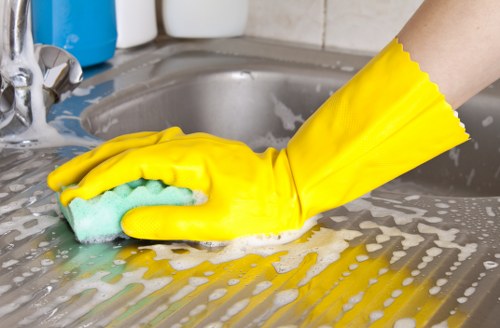
Sometimes the need for sofa cleaning is obvious, but in many cases the warning signs are subtle. A sofa may look fine at first glance while still harboring dust, oils, and odor-causing particles deep within the cushions. Recognizing the signs early can help you prevent staining and material damage.
Common indicators include visible spots, dull-looking fabric, lingering smells, pet hair accumulation, and allergy symptoms that seem worse when you sit on the couch. If the sofa feels sticky or has lost its original softness, it may be time for a deep clean. In homes with children or pets, sofa cleaning may be needed more frequently to stay ahead of everyday messes.
Another sign is color fading in high-contact areas like the arms, headrests, and seat cushions. These areas often accumulate oils from skin and hair. When these residues are left untreated, they can become harder to remove. Routine upholstery care helps prevent the buildup that leads to visible wear.
Watch for These Common Problems
- Food and drink spills
- Pet odors and fur
- Dust buildup along seams
- Darkening on armrests
- Allergy flare-ups around upholstery
- Lingering musty or stale smells
How to Clean a Sofa at Home

Home sofa cleaning can be effective when done correctly. The process does not always require expensive equipment, especially for regular maintenance and small spills. The first step is always to vacuum the sofa thoroughly using an upholstery attachment. This removes loose dirt, hair, crumbs, and dust from the surface and crevices. Pay special attention to cushion seams, under cushions, and along the backrest.
Next, address stains as soon as possible. Fresh spills are much easier to remove than set-in marks. Blot the area gently with a clean cloth rather than rubbing, which can spread the stain deeper into the fabric. Use a cleaning solution suitable for the sofa type and test it on a hidden spot first. For many fabrics, a mild soap-and-water mixture may be enough for light cleaning.
After treating stains, allow the sofa to dry fully. Good airflow speeds up drying and helps prevent mildew or odor buildup. If the upholstery code allows it, you may use a fabric-safe steam cleaner for deeper sofa cleaning. However, avoid over-wetting the material, and always follow the sofa’s care instructions. For leather, use a separate cleaning and conditioning routine instead of steam.
Simple At-Home Cleaning Steps
- Vacuum the entire sofa carefully.
- Check the upholstery care label.
- Blot stains quickly with a dry cloth.
- Apply the correct cleaner in small amounts.
- Rinse lightly if required by the product instructions.
- Let the sofa air-dry completely.
Professional Sofa Cleaning vs DIY Cleaning
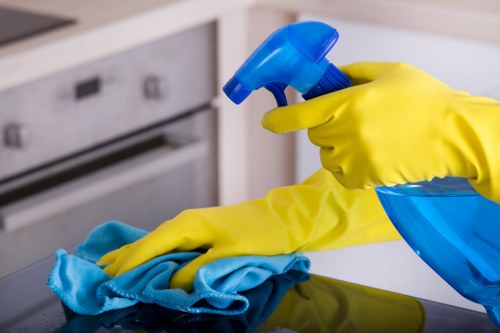
While DIY sofa cleaning is useful for routine maintenance, professional service offers deeper results. Professional cleaners use specialized equipment and upholstery-safe products designed to remove embedded dirt and stubborn stains. They can also identify fabric types and cleaning codes, reducing the risk of damage from improper treatment. If your sofa has heavy staining, pet odor, or years of buildup, expert cleaning may be the better choice.
One advantage of professional sofa cleaning is the ability to extract dirt from deep within the fibers. This is especially helpful for households with children, pets, or frequent guests. Professionals can often remove grime from places that standard vacuuming cannot reach. They also know how to treat delicate materials without shrinking, discoloring, or over-wetting them.
DIY cleaning is still valuable for day-to-day upkeep. It helps you manage spills quickly and keep your sofa looking presentable between deeper treatments. The best approach for most homes is a mix of regular home care and periodic professional upholstery cleaning. This balance saves time, supports hygiene, and keeps the couch in better condition over the long term.
When to Choose Professional Sofa Cleaning
- When stains are old or widespread
- When odors keep returning after cleaning
- When the upholstery is delicate or expensive
- When allergy reduction is a priority
- When the sofa has not been deep-cleaned for a long time
Benefits of Regular Upholstery Care
Sofa cleaning offers several long-term benefits beyond appearance. One of the biggest advantages is improved air quality. Since upholstered furniture traps dust and allergens, regular cleaning helps reduce the amount circulating in your home. This can make your space more comfortable for people who suffer from allergies or asthma.
Another major benefit is odor control. Food spills, pets, moisture, and general use can cause a sofa to smell stale over time. Deep sofa cleaning removes the source of these odors instead of just masking them. As a result, your living room smells fresher and feels more pleasant for everyone.
Routine sofa cleaning also protects the texture and appearance of the fabric. Dirt particles can act like sandpaper when rubbed into upholstery, wearing down fibers and causing the material to look aged before its time. Cleaning regularly helps maintain softness, color, and structure. If you want a sofa that continues to look good year after year, maintenance is essential.
Additional Advantages
- Extends the lifespan of the furniture
- Supports a more hygienic home environment
- Reduces visible wear and tear
- Improves comfort and freshness
- Helps preserve upholstery value
How Often Should You Clean Your Sofa?
The ideal sofa cleaning schedule depends on how much the furniture is used. In a low-traffic home, vacuuming once a week and deep cleaning every 6 to 12 months may be enough. In busy households with children or pets, sofa cleaning may need to happen more often. High-use furniture benefits from frequent vacuuming and more regular stain treatment.
A good rule is to clean spills immediately, vacuum weekly, and schedule a deep upholstery cleaning at least once or twice a year. If the sofa is used heavily, consider professional service more often. Leather sofas also require consistent dusting and conditioning to prevent cracking and preserve shine. Regular care always works better than waiting until the couch is visibly dirty.
Climate and lifestyle also matter. In humid areas, moisture can linger in upholstery and cause odors faster, making sofa cleaning more important. If you entertain often or have indoor pets, a more frequent cleaning routine will help maintain a neat and healthy environment.
Suggested Cleaning Frequency
- Weekly: Vacuum and spot-check for stains
- Monthly: Clean armrests, cushions, and hidden debris
- Every 6-12 months: Deep sofa cleaning or professional service
- As needed: Immediate stain and odor treatment
Common Mistakes to Avoid During Sofa Cleaning
Even when people are motivated to clean their couch, common mistakes can lead to damage. One of the most frequent errors is using too much water. Excess moisture can seep into the padding and create odors, mildew, or long drying times. This is why upholstery cleaning should be done carefully and in moderation.
Another mistake is applying the wrong cleaner. Not every product works for every material, and some can discolor, stiffen, or weaken fabric. Always read labels and check the sofa’s cleaning code before starting. Using a harsh brush is another problem because it can fray delicate fibers and create visible wear marks. Instead, use a soft cloth or approved upholstery tool.
Some homeowners also wait too long to treat stains. Fresh spills are easier to lift, while older marks can set into the fabric and become permanent. The sooner you act, the better your chances of successful sofa cleaning. If you are unsure about a product or stain type, consult an upholstery professional before trying aggressive methods.
What Not to Do
- Do not soak the sofa with water
- Do not use bleach or harsh solvents unless approved
- Do not scrub stains aggressively
- Do not ignore cleaning codes
- Do not skip drying time after cleaning
Tips to Keep Your Sofa Cleaner for Longer
Good maintenance can reduce the need for frequent intensive sofa cleaning. Simple habits make a big difference. Vacuum regularly to remove crumbs and dust before they settle deep into the fibers. Use throws or washable covers in high-traffic areas, especially if pets or children frequently use the couch.
You can also rotate cushions when possible to distribute wear evenly. This helps prevent one area from becoming flattened or dirty faster than the rest. Keep food and drinks away from the sofa if possible, and use coasters or trays during movie nights or gatherings. Small preventive habits support cleaner upholstery over time.
For pet owners, grooming pets regularly and using a lint roller can reduce hair buildup. If odors are a concern, use fabric-safe deodorizing methods rather than heavy fragrances that only mask the smell. A clean sofa not only looks better, it makes the whole room feel more polished and comfortable. If you want lasting results, consistent sofa cleaning should be part of your home care routine.
Helpful Maintenance Habits
- Vacuum weekly
- Blot spills immediately
- Use washable throws on high-use areas
- Rotate cushions regularly
- Keep pets groomed and off the sofa when possible
- Schedule regular deep cleaning
Choosing the Right Sofa Cleaning Service
If you decide to hire help, choosing the right sofa cleaning service matters. Look for a provider that understands different upholstery materials and uses methods suitable for your specific sofa. A skilled cleaner should ask about fabric type, stains, odors, and previous treatments before recommending a process. This attention to detail helps protect your furniture while improving results.
It is also wise to choose a service that uses safe products and modern extraction equipment. The best sofa cleaning providers prioritize both effectiveness and material care. They should be able to explain how they handle fabric sofas, leather, microfiber, and specialty materials. Clear communication and professional techniques are strong signs that your upholstery is in good hands.
When comparing options, focus on experience, cleaning methods, and the ability to handle both routine and deep cleaning needs. A well-chosen service can save time and prevent costly mistakes. If your sofa is valuable or delicate, expert upholstery cleaning can be the safest path to long-term protection.
What to Look For
- Experience with multiple upholstery types
- Safe and fabric-appropriate cleaning solutions
- Effective stain and odor removal methods
- Proper drying and extraction equipment
- Transparent explanation of the process
Final Thoughts on Sofa Cleaning in Everyday Life
Sofa cleaning is one of the simplest ways to improve the appearance, comfort, and hygiene of your home. A clean couch supports a fresher environment, lasts longer, and provides a more inviting place for family and guests. Whether you handle maintenance yourself or rely on professional help, consistency is the key to better results.
By understanding your upholstery type, treating stains promptly, and scheduling regular deep cleaning, you can protect your furniture from unnecessary wear. Smart sofa care is not about reacting only when problems appear; it is about building a routine that keeps your sofa looking and feeling its best.
If your couch is overdue for attention, now is the perfect time to act. Refresh your upholstery, reduce odors, and restore comfort with a cleaning plan that fits your home. Book your service now or take the first step toward a cleaner, healthier living space. Contact us today to get started with reliable sofa cleaning in your area.