Move in Cleaning in Your New Home: What to Expect, Why It Matters, and How to Get It Right
Why Move in Cleaning Matters Before You Unpack
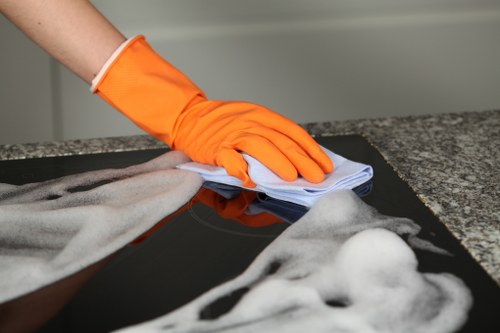
Moving into a new place is exciting, but it can also be overwhelming. Between coordinating movers, changing utilities, and organizing boxes, it is easy to overlook one of the most important steps: move in cleaning. Even if a property looks neat at first glance, hidden dust, residue, and buildup can remain from previous occupants, renovation work, or long vacancy periods. A proper move in cleaning helps create a fresh, healthy, and comfortable start in your new space.
Many people assume that a recently vacated property is automatically clean. In reality, every home has different cleaning needs. Kitchens often contain grease on cabinets and inside drawers, bathrooms may need disinfecting, and floors may hold dust in corners and baseboards. Move in cleaning ensures these details are addressed before your furniture and belongings arrive. That means less stress, fewer surprises, and a much better first impression of your new home.
Another major benefit of move in cleaning is peace of mind. When you clean a home thoroughly before unpacking, you know exactly what condition it is in. You can sanitize high-touch points, check for stains or odors, and prepare rooms for everyday living. For families with children, seniors, or anyone with allergies, this step can make a noticeable difference in comfort and safety.
What a Move in Cleaning Service Typically Includes
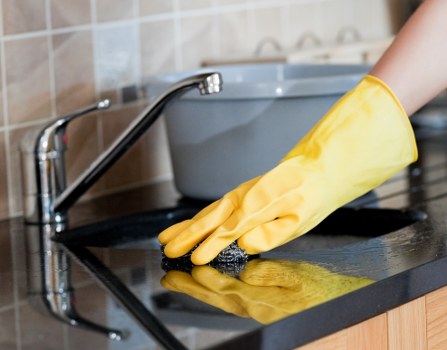
A professional move in cleaning service usually goes beyond standard surface wiping. The goal is to make the property ready for immediate use by cleaning areas that are often missed during quick turnover cleaning. Depending on the condition of the home, the service may include dusting, sanitizing, scrubbing, and detailing from top to bottom.
Common tasks in a move in cleaning checklist include cleaning cabinets inside and out, wiping shelves, sanitizing sinks, disinfecting bathrooms, vacuuming carpets, mopping floors, and cleaning appliances. In many cases, cleaners also focus on baseboards, door frames, vents, light switches, and window sills. These areas collect dust and grime that can easily go unnoticed during a rushed inspection.
Some services are more tailored than others. For example, a move in cleaning for an empty apartment may focus on surfaces and floors, while a larger house may require more attention to multiple bathrooms, stair rails, closets, and storage spaces. Move in cleaning can also be customized to include inside-oven cleaning, refrigerator detailing, and deep sanitization of the kitchen and bathroom, which are often the most used spaces from day one.
Key Areas to Prioritize During Move in Cleaning
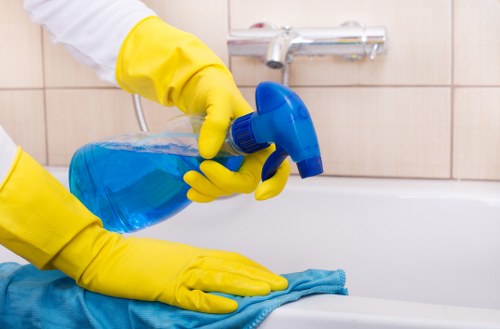
The kitchen should be one of the first rooms addressed during move in cleaning. Food preparation areas need to be sanitized carefully, especially if the previous occupants left grease, crumbs, or stains behind. Focus on countertops, backsplash surfaces, cabinet interiors, drawer spaces, sink fixtures, appliance exteriors, and floors. If the oven or refrigerator was left behind, it is smart to clean those thoroughly before stocking groceries.
Bathrooms are another priority because they require deep sanitation. A strong move in cleaning routine should include scrubbing toilets, disinfecting sinks, cleaning tile grout, wiping mirrors, sanitizing handles, and removing soap residue from tubs and showers. Bathrooms often harbor moisture, which can lead to mold or mildew if the area is not cleaned properly.
Living spaces and bedrooms also deserve attention. Dust can collect on window tracks, ceiling fans, shelves, and vents, even in an empty property. Move in cleaning should also cover closets, light fixtures, baseboards, and corners where debris tends to settle. Once furniture is in place, these areas become harder to reach, so cleaning them in advance saves time and effort later.
Benefits of Professional Move in Cleaning
A cleaner and healthier start
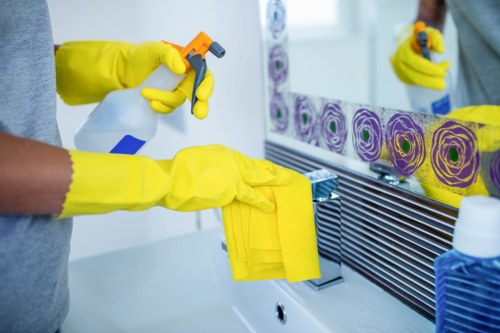
One of the biggest advantages of hiring professionals for move in cleaning is health. A newly occupied property may contain allergens, dust mites, pet dander, and even residue from chemical cleaners used by the previous occupants. Professional cleaning helps reduce these irritants, which is especially valuable for people with asthma, allergies, or sensitivities.
Professional cleaners also know how to work efficiently. Moving day is already packed with tasks, and deep cleaning an entire home while arranging furniture is exhausting. A trained team can handle the detailed work faster and more thoroughly than most people can manage alone. That allows you to focus on unpacking, arranging utilities, and settling into your new environment.
Another benefit of move in cleaning is that it helps preserve the condition of the property. Removing dirt, grime, and buildup early can protect surfaces from long-term wear. Clean appliances, floors, and fixtures are easier to maintain, and starting with a spotless home makes future routine cleaning simpler and more effective.
Why it can save money later
Although some people think of professional move in cleaning as an extra expense, it can actually prevent future costs. For instance, hidden grime in the kitchen can damage cabinet finishes over time, and mold or mildew left in bathrooms may require more extensive treatment later. Addressing these issues early helps avoid larger repairs or replacement expenses.
How to Prepare for Move in Cleaning Before the Team Arrives
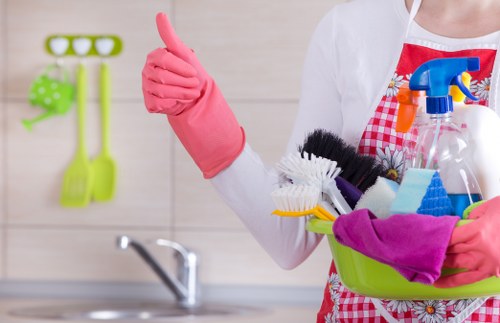
Preparation makes move in cleaning more effective. Before the cleaning team arrives, it helps to make sure the property is fully empty or nearly empty. If boxes, furniture, or leftover items are still scattered around, cleaners may not be able to reach every surface. The more open the rooms are, the more thorough the cleaning can be.
It is also smart to do a quick walkthrough before the service begins. Look for areas that need special attention such as stains, odors, scuffed walls, or sticky spots. If the home has not been occupied for a long time, point out any signs of dust accumulation, pest activity, or moisture issues. This helps the cleaners adjust the move in cleaning plan to your specific needs.
Finally, make sure the utilities are on. Water and electricity are essential for many cleaning tasks, especially when sanitizing bathrooms, wiping down appliances, and vacuuming. Without active utilities, a move in cleaning team may not be able to complete all requested work.
Helpful preparation checklist
- Confirm that the property is accessible on cleaning day.
- Remove leftover trash, if possible.
- Unpack only the items you need for the first day.
- Identify rooms or surfaces that need extra attention.
- Check that water and electricity are turned on.
DIY Move in Cleaning vs. Hiring Professionals
When a do-it-yourself approach works
Some homeowners and renters prefer to handle move in cleaning on their own. This can work well for smaller spaces or properties that are already in relatively good condition. If you have the right tools, enough time, and a manageable amount of dust or grime, DIY cleaning may be a practical option. It can also be useful if you want more control over products and methods used in the home.
However, do-it-yourself cleaning can be tiring and time-consuming. Moving involves lifting, organizing, and coordinating many details at once, and adding several hours of deep cleaning may not be realistic. A full move in cleaning often requires more than a quick wipe-down, especially when dealing with neglected corners, bathroom buildup, or kitchen residue.
Professional cleaners bring experience, equipment, and a structured process. They often work from room to room with a detailed checklist, which helps ensure nothing is overlooked. If you want your new space to feel truly refreshed without exhausting yourself before move-in day, outsourcing the task can be a smart choice.
How to decide between DIY and professional cleaning
Consider the size of the property, the amount of time you have, and the condition of the space. If you are moving into a large house, a property with heavy dust, or an older home that has been vacant for some time, professional move in cleaning may be the better investment. For smaller apartments or recently cleaned spaces, a targeted DIY approach may be enough.
Move in Cleaning Tips for Different Types of Properties
Apartment move in cleaning
Apartment move in cleaning often focuses on efficiency and attention to shared-space considerations. Since apartments may have limited square footage, it is important to sanitize every inch, especially kitchens, bathrooms, entryways, and storage closets. Check the inside of cabinets, shelves, and drawers carefully, as these compact spaces can hold dust and debris.
In apartments, ventilation is also important. Open windows if possible and pay attention to smells from previous cooking, pets, or smoke. A strong move in cleaning routine can help remove lingering odors and improve indoor air quality.
House move in cleaning
For houses, the cleaning process is often more extensive. Multiple bathrooms, larger kitchens, extra bedrooms, stairs, and utility rooms all require attention. A whole-home move in cleaning should include detailed work in less obvious areas such as handrails, ceiling fans, basement floors, and garage entry points. Larger homes also benefit from a room-by-room strategy to keep the process organized.
New construction move in cleaning
Even brand-new homes need cleaning before move-in. Construction dust, drywall particles, adhesive residue, and paint spots may be present after the builders leave. New construction move in cleaning focuses on removing fine dust from surfaces, polishing fixtures, cleaning cabinets, and making sure every room is free from construction debris. This type of cleaning often requires more detailed dusting than standard turnover cleaning.
Choosing the Right Products for Move in Cleaning
The products used during move in cleaning matter just as much as the process itself. Mild but effective cleaners are ideal for most surfaces, while disinfectants should be reserved for high-touch areas such as bathroom fixtures, doorknobs, and kitchen sinks. Using the wrong product can damage finishes or leave behind residue that is unpleasant to live with.
It is often best to use a mix of microfiber cloths, safe all-purpose cleaners, glass cleaner, degreaser, and disinfectant wipes or sprays. For floors, choose a cleaner suited to the surface type, whether hardwood, tile, vinyl, or laminate. If a home includes stone countertops or delicate finishes, use products specifically designed for those materials.
For people with allergies or chemical sensitivities, fragrance-free or eco-friendly options can be a better choice. Many professional move in cleaning services can also adapt product selection to match your preferences. The goal is to leave the home clean, fresh, and comfortable without introducing harsh odors or unnecessary irritants.
How Move in Cleaning Supports a Better Moving Experience
Less stress on move-in day
Moving is easier when the space is already clean and ready. With move in cleaning completed in advance, you do not have to navigate around dust, sticky counters, or dirty bathroom fixtures while trying to unpack. This allows you to settle in more quickly and focus on creating a functional living space instead of starting with a major cleanup.
A clean home also helps you organize more effectively. It is easier to place items in cabinets, closets, and drawers when those spaces have already been wiped down and sanitized. You can unpack with confidence knowing that shelves, floors, and fixtures are ready for everyday use. That sense of order can make the first few days in a new property feel much smoother.
For families, move in cleaning can also support a more positive transition for children or pets. A tidy environment feels more secure, and reducing dust or residue can help everyone adjust more comfortably. If you are entering a shared household, starting with a clean and fresh space can set the right tone from day one.
Common Mistakes to Avoid During Move in Cleaning
One of the most common mistakes is cleaning too late. If you wait until after furniture arrives, it becomes much harder to reach corners, shelves, and hidden surfaces. Completing move in cleaning before unpacking gives you full access to the property and prevents dust from settling onto newly arranged items.
Another frequent mistake is focusing only on visible surfaces. A quick wipe of countertops may make a room look clean, but it does not address dust inside cabinets, along baseboards, behind appliances, or on top of doors. A thorough move in cleaning should include both obvious and overlooked areas.
Some people also use too much product or the wrong kind of cleaner. This can leave sticky residue, streaks, or damage to surfaces. It is better to use the correct cleaner in the correct amount, then dry surfaces properly. Being methodical is more effective than rushing through the job.
Other mistakes to avoid
- Skipping closets and storage areas.
- Ignoring air vents, fans, and light fixtures.
- Forgetting to sanitize high-touch areas.
- Not checking inside appliances.
- Leaving floors unfinished after dusting higher surfaces.
Creating a Move in Cleaning Checklist That Works
A structured checklist can make move in cleaning feel far more manageable. Breaking the job into sections helps ensure that every room receives proper attention. Many homeowners and renters find it useful to clean from top to bottom: ceiling fans, shelves, and vents first, followed by counters, fixtures, and floors. This prevents dust from falling onto already cleaned surfaces.
You can also divide the property into zones. Start with the kitchen, move to bathrooms, then handle bedrooms, living areas, and storage spaces. If you are working with a professional team, a checklist helps communicate priorities. If you are cleaning yourself, it keeps the task organized and reduces the risk of missing important details.
A practical move in cleaning checklist may include wiping walls, disinfecting handles, cleaning windows, vacuuming carpets, mopping floors, sanitizing sinks, and checking inside cabinets. If you want your new home to feel ready right away, keep the checklist focused, realistic, and easy to follow.
Sample room-by-room priorities
- Kitchen: cabinets, counters, sink, appliances, floors.
- Bathroom: tub, toilet, shower, mirror, fixtures, grout.
- Bedrooms: closets, shelves, floors, vents, windowsills.
- Living areas: dusting, baseboards, switches, fan blades.
- Entryways: doors, handles, mats, corners, flooring.
Why Move in Cleaning Is a Smart Investment
When all factors are considered, move in cleaning is more than a luxury. It is a practical investment in comfort, hygiene, and convenience. It helps you start fresh, protects your time during a busy transition, and creates a more welcoming home environment from the very beginning. Whether you choose a professional service or handle part of it yourself, the payoff is immediate and noticeable.
Clean surfaces, sanitized rooms, and fresh air can have a positive impact on daily life. You are less likely to be distracted by grime or odors, and you can begin organizing your home without first dealing with dust and dirt. That early investment in cleanliness often leads to better routines and easier maintenance over time.
If you are preparing for a new home, apartment, or rental, now is the perfect time to prioritize move in cleaning. Contact us today or book your service now to make your new space feel ready from the moment you walk in. A clean start makes every move easier.