House Cleaning in Modern Homes: Practical Strategies, Benefits, and Smart Maintenance Tips
House cleaning is more than a chore; it is a routine that supports comfort, hygiene, and a sense of control in everyday life. Whether you live in a busy family home, a small apartment, or a larger property with multiple rooms, effective house cleaning can make a noticeable difference in how your space looks, feels, and functions. A clean home often feels calmer, more organized, and easier to maintain, while also reducing dust, allergens, and buildup that can affect health and surfaces over time.
For many households, house cleaning becomes easier when it is approached with a clear plan rather than tackled at random. Small habits performed regularly can prevent bigger messes, while scheduled deep cleaning helps preserve flooring, fixtures, appliances, and furniture. In other words, house cleaning is not only about appearance; it is also about protecting your investment and making daily living smoother.
In this article, we will look at practical methods, room-by-room priorities, cleaning routines, and the most helpful ways to stay consistent. You will also find tips for improving indoor air quality, choosing products wisely, and keeping your home presentable with less stress. If your goal is a cleaner, fresher, and more manageable home, these ideas can help you build a system that works.
Why House Cleaning Matters for Every Home
House cleaning plays an important role in both health and household maintenance. Dust, pet dander, spilled food, moisture, and everyday grime can build up quickly, especially in high-traffic areas. When cleaning is delayed for too long, these small issues often become larger ones, affecting everything from countertops to carpets.
Regular cleaning also helps control odors and create a more pleasant indoor environment. A tidy space tends to feel more welcoming and less stressful, which can influence mood and productivity. Many people notice that they think more clearly and move more easily through the day when their surroundings are clean and uncluttered.
From a practical standpoint, consistent house cleaning can extend the life of many household items. Floors retain their finish longer, appliances function more efficiently, and fabrics stay in better condition when dirt and residue are removed properly. This is why simple maintenance often saves time and money in the long run.
Creating a House Cleaning Routine That Works
One of the most effective ways to manage house cleaning is to create a routine that fits your lifestyle. Not every home needs the same schedule, but every home benefits from consistency. A good routine divides tasks into daily, weekly, and monthly categories so that work stays manageable.
Daily tasks often include quick resets such as wiping kitchen counters, loading the dishwasher, sweeping visible crumbs, making beds, and putting items back where they belong. These small actions prevent mess from accumulating and keep the home looking presentable with minimal effort.
Weekly tasks usually involve deeper attention to floors, bathrooms, dusting, and laundry. Monthly or seasonal tasks may include cleaning baseboards, washing windows, organizing closets, and refreshing neglected areas. A practical schedule can be written down or tracked digitally so nothing gets forgotten.
Sample cleaning rhythm
Many households find the following structure helpful:
- Monday: Kitchen and dining areas
- Tuesday: Bathrooms and mirrors
- Wednesday: Dusting and living spaces
- Thursday: Bedrooms and linens
- Friday: Floors and vacuuming
- Weekend: Laundry, clutter removal, and light organizing
This type of rotation makes house cleaning feel less overwhelming and more achievable. It also helps you stay ahead of dirt instead of constantly reacting to it.
Room-by-Room House Cleaning Priorities
Different rooms have different cleaning needs, and understanding those differences makes house cleaning much more efficient. Kitchens require grease removal and sanitation, bathrooms need moisture control and disinfecting, and bedrooms benefit from dust control and fabric care. When each room gets the attention it needs, the overall home becomes easier to maintain.
In the kitchen, focus on counters, sinks, appliance surfaces, cabinet handles, stovetops, and floors. Food residue and grease can spread quickly, so wiping as you cook can dramatically reduce cleanup time later. In the bathroom, pay attention to toilets, showers, sinks, mirrors, and floors. Because moisture encourages buildup, regular cleaning is essential.
Living rooms and shared spaces often gather dust, pet hair, and clutter. These areas benefit from vacuuming upholstery, dusting shelves, cleaning remotes and switches, and arranging items so surfaces remain open and tidy. Bedrooms should prioritize bedding, under-bed dust, closets, and laundry habits. Even a few targeted steps can make these spaces feel more restful.
Room-specific focus points
- Kitchen: sanitation, grease removal, sink cleaning, and floor care
- Bathroom: disinfecting, mildew prevention, and moisture reduction
- Bedroom: bedding refresh, dust control, and organization
- Living room: surface dusting, upholstery care, and clutter reduction
- Entryway: shoe management, floor cleaning, and first-impression tidiness
One of the biggest challenges in house cleaning is not knowing where to begin. A simple way to avoid frustration is to start with the highest-impact areas first. Kitchens, bathrooms, and entryways typically need the most regular care because they are used often and tend to show dirt quickly. Once those spaces are under control, the rest of the home feels much easier to manage.
Another helpful strategy is to clean from top to bottom. Dust falls downward, so cleaning shelves, fans, and high surfaces before vacuuming or mopping prevents you from doing the same job twice. This method is especially useful during deep cleaning sessions and can save significant time.
It also helps to clean one type of task at a time. For example, instead of wiping a single table in one room and then moving to another task, try dusting all surfaces first, then vacuuming all floors, then disinfecting all frequently touched areas. This approach improves efficiency and keeps your house cleaning routine more organized.
Smart Tools and Supplies for Efficient House Cleaning
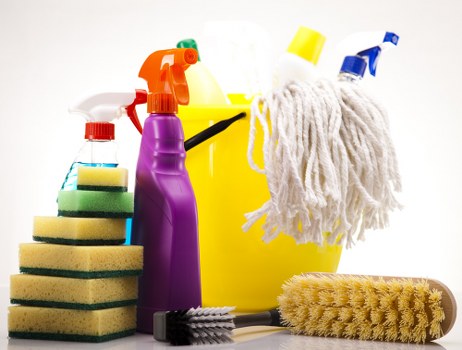
Having the right tools can make house cleaning faster, safer, and more effective. You do not need an excessive number of products, but a well-chosen set of basics can handle most household tasks. Microfiber cloths, a reliable vacuum, a mop, a scrub brush, sponges, and a quality all-purpose cleaner are enough for many homes.
Microfiber cloths are especially useful because they trap dust rather than spreading it around. They work well on counters, mirrors, appliances, and shelves. A vacuum with strong suction and appropriate attachments can simplify cleaning carpets, rugs, upholstery, and corners. For hard floors, a mop suited to the flooring type helps preserve the surface while removing dirt effectively.
When selecting cleaning products, it is wise to match the solution to the surface. Harsh chemicals are not always necessary, and in some cases, they may damage materials or leave strong odors behind. Many people prefer to keep a balanced selection that includes disinfectants for bathrooms, degreasers for kitchens, glass cleaner for reflective surfaces, and gentle formulas for delicate areas.
Helpful supply checklist
- Microfiber cloths
- Vacuum with attachments
- Mop and bucket or spray mop
- Scrub brush and grout brush
- All-purpose cleaner
- Glass cleaner
- Disinfecting wipes or spray
- Trash bags and storage bins
Keeping supplies in one accessible location also supports consistency. When everything is easy to find, house cleaning becomes a much more natural part of the day.
Deep Cleaning vs. Everyday House Cleaning
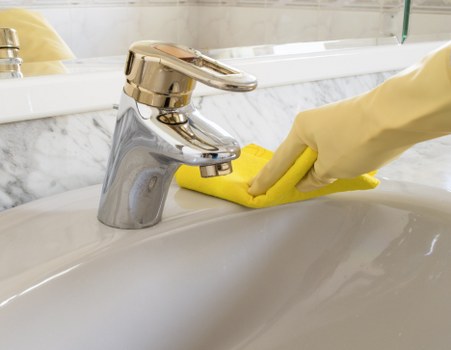
There is an important difference between routine house cleaning and deep cleaning. Everyday cleaning focuses on maintenance, while deep cleaning targets areas that are often overlooked. Both are valuable, and together they create a truly well-kept home.
Routine cleaning includes wiping, sweeping, vacuuming, and keeping visible areas tidy. It prevents buildup and makes the home comfortable on a regular basis. Deep cleaning, on the other hand, reaches behind furniture, inside appliances, along baseboards, under sinks, and into places that collect hidden grime over time.
Deep cleaning does not need to happen every week, but scheduling it seasonally or monthly can make a major difference. Tasks may include washing windows, scrubbing tile grout, cleaning ceiling fans, deodorizing carpets, wiping cabinet interiors, and refreshing mattresses or fabric furniture. These jobs often take longer, but they deliver noticeable results.
To make deep cleaning less intimidating, divide it into smaller sections and set realistic goals. One weekend might be dedicated to the kitchen, another to the bathrooms, and another to storage areas. With this approach, house cleaning remains steady without becoming exhausting.
Signs it is time for deep cleaning
- Visible dust returning quickly after cleaning
- Persistent odors in certain rooms
- Grease or soap buildup on surfaces
- Grout discoloration or mildew
- Clutter hiding in corners, closets, or storage spaces
House cleaning can also be improved by reducing the amount of clutter in your home. Less clutter means fewer surfaces to clean, fewer items to move, and fewer places for dust to settle. Simple organization strategies such as baskets, drawer dividers, labels, and shelf bins can make a surprisingly large difference in day-to-day upkeep.
Another practical method is to develop “clean as you go” habits. Rinse dishes right after eating, wipe the bathroom sink after use, hang up coats at the door, and put laundry away promptly. These quick actions may seem small, but they greatly reduce how much time you need to spend later on house cleaning.
If you live with family members or roommates, shared responsibility can make the process easier. Assigning age-appropriate or role-based tasks helps everyone contribute, and it prevents one person from carrying the entire load. A clear division of responsibilities often leads to a cleaner home and less household tension.
Eco-Friendly House Cleaning Approaches
More households are choosing eco-friendly options for house cleaning because they want safer ingredients and less environmental impact. Green cleaning does not have to mean weaker results. In fact, simple ingredients and mindful practices can be highly effective when used correctly.
Common eco-friendly options include vinegar, baking soda, castile soap, lemon, and water-based cleaning solutions. These can be useful for deodorizing, removing mild buildup, and cleaning many everyday surfaces. However, it is important to use them carefully and avoid mixing products that could react poorly.
Another environmentally conscious strategy is to reduce waste. Reusable cloths, refillable spray bottles, concentrated cleaners, and durable tools can cut down on disposable packaging. This approach supports both household efficiency and sustainability.
Eco-friendly cleaning habits
- Choose concentrated or refillable products
- Use reusable cloths instead of single-use wipes when possible
- Ventilate rooms naturally while cleaning
- Store supplies properly to avoid spills and waste
- Use only the amount of product needed
For families with children or pets, gentler cleaning choices may also offer peace of mind. A thoughtful house cleaning routine can support cleanliness without overreliance on heavy fragrances or aggressive chemicals.
How House Cleaning Supports Health and Wellness
There is a strong connection between house cleaning and wellness. A cleaner environment can reduce dust-related irritation, support better indoor air quality, and lower exposure to germs and allergens. While cleaning is not a replacement for medical care or proper ventilation, it does contribute to a healthier living space.
Bathrooms, kitchens, and bedrooms especially benefit from regular cleaning because they affect personal hygiene, food safety, and rest. Fresh bedding, sanitized counters, and dust-free surfaces can make everyday life feel more comfortable and controlled. People often sleep better and feel more relaxed in tidy surroundings.
Beyond physical health, house cleaning can also support mental well-being. Cluttered spaces may create a sense of unfinished business, while organized spaces tend to feel more manageable. Completing cleaning tasks can create a small but meaningful sense of accomplishment, which can improve motivation throughout the day.
Wellness benefits at a glance
- Reduced dust and allergen buildup
- Better odor control
- Cleaner food prep and living spaces
- Improved organization and calm
- Greater comfort for guests and residents
Still, it is important to approach house cleaning in a sustainable way. A perfect home is not the goal; a functional and comfortable home is. If cleaning routines become too rigid or time-consuming, they can quickly turn into stress instead of support. A balanced system is more likely to last.
That is why many homeowners and renters benefit from setting realistic standards. Focus first on hygiene, safety, and consistency. Once those basics are in place, decorative details and special projects can be added as time allows. This mindset keeps house cleaning practical rather than overwhelming.
For busy households, short bursts of cleaning can be just as effective as long sessions. Ten or fifteen minutes of focused effort each day can prevent major buildup and keep your home on track. The key is regularity, not perfection. With the right habits, house cleaning becomes a steady part of living well rather than a constant burden.
Professional Help and When It Makes Sense
Although many people handle house cleaning on their own, there are times when professional help makes sense. Busy work schedules, large homes, move-in or move-out transitions, post-renovation dust, or limited physical ability can all make outside assistance valuable. A professional service can save time and help reset the home when routines have fallen behind.
Hiring support may also be useful for periodic deep cleaning or specialized tasks such as carpet care, oven cleaning, or high-traffic restoration. In these cases, professional attention can reach areas that are difficult to clean thoroughly without the right equipment or experience.
If you do decide to outsource, it is still helpful to maintain a simple routine between visits. That way, each cleaning session works more efficiently and the home stays comfortable for longer. Whether you handle everything yourself or combine efforts with professional assistance, the goal remains the same: a cleaner, healthier, more enjoyable space.
When to consider extra support
- After a major event or gathering
- During seasonal deep cleaning
- When moving in or out of a home
- When daily upkeep becomes difficult to manage
- When you want a stronger reset for neglected areas
Book your service now if your current routine is no longer meeting your needs and you want a fresh start for your home.
In the end, successful house cleaning is built on a mix of consistency, smart methods, and realistic expectations. You do not need to clean everything at once, and you do not need a perfect system to see real results. Even small improvements can add up to a cleaner, more peaceful, and more functional home environment.
Start with the areas that matter most, build a schedule you can maintain, and choose supplies that suit your home and lifestyle. Over time, these habits will become easier and more natural. If your home needs a reset, Contact us today and take the first step toward a fresher living space. Clean surroundings support better living, and with the right approach, house cleaning can fit smoothly into everyday life.